The best party entertainment for kids is whatever keeps them busy enough they don’t notice when cake time is delayed. I’m only half-joking here. Last summer, when I planned my nephew Leo’s seventh birthday, I learned that just a bouncy castle isn’t quite enough to entertain twenty second-graders for a couple of hours. You definitely need a solid plan, plus a backup, just in case.
What’s popular has shifted quite a bit over the past few years. From what I’ve seen, parents are ditching passive entertainment, like movies or magicians who mainly engage with adults. Instead, they’re opting for activities where kids can get hands-on, and that usually wins over kids every time.
This piece walks you through the main options for party entertainment for kids, their costs, how long they can fill, and things I’d skip the next time around. I’ll be sharing insights from Leo’s party because it was a fun learning experience.
Types of Kids Party Entertainment
Basically, you’ve got three options: performer-led, activity-led, or a mix of both. Performer-led means a professional comes in and runs a show. This could be a magician, character visit, or puppet performance. Activity-led involves the kids engaging in something, like crafting, obstacle courses, or science projects. Most great parties lean towards one of these and use the other to keep things lively.
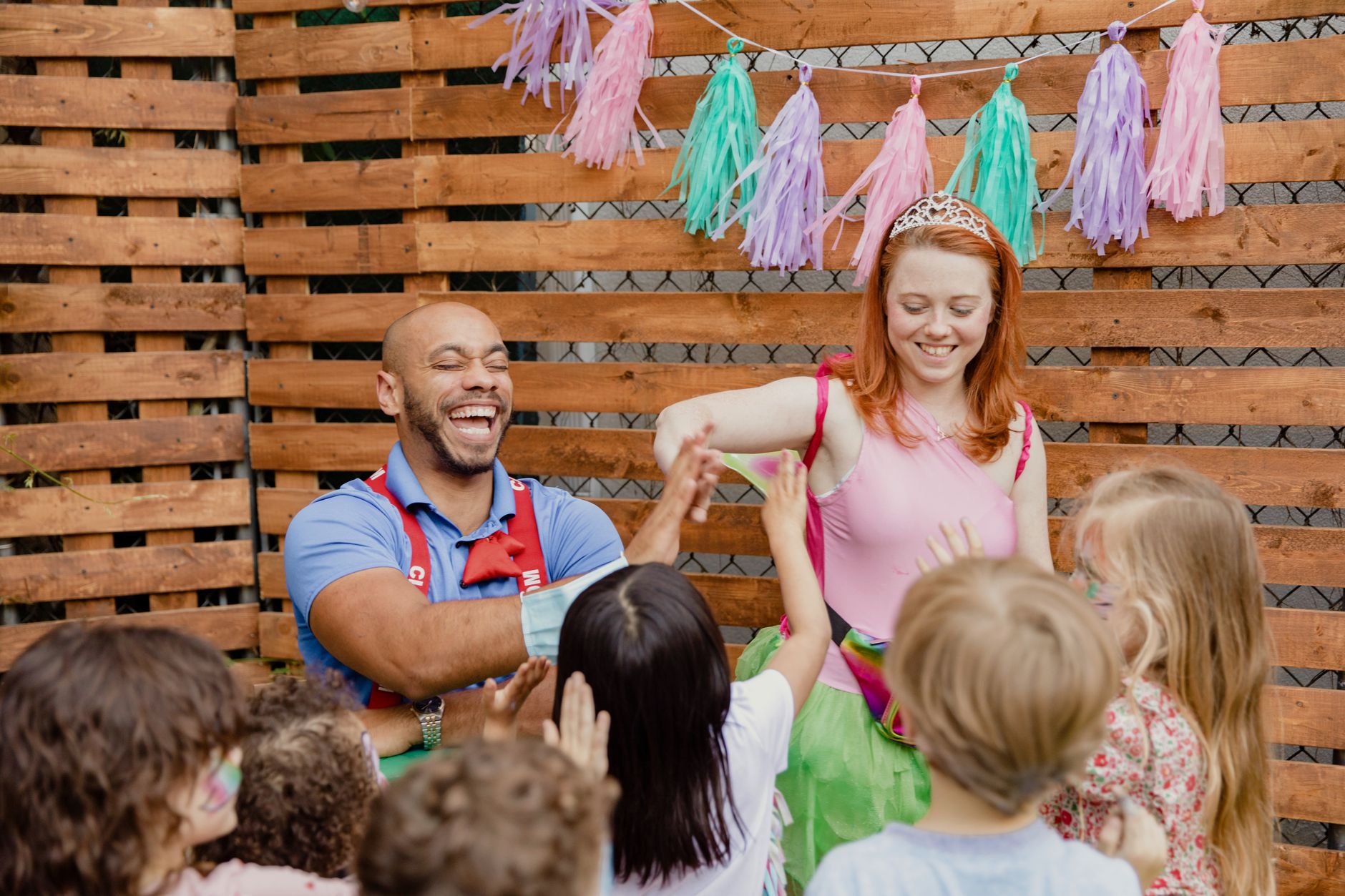
For Leo’s party, we hired a face painter and set up a station where kids could create their own superhero capes. The face painter was the main draw, while the craft area acted as a great spot for kids to hang out while waiting. Either one alone wouldn’t have worked as effectively.
Popular Entertainment Options
Character visits generally range from $150 to $250 for about 45 minutes, depending on who the character is and where you’re located. Face painters and balloon artists are fairly close in pricing. A magician who gears their show towards kids often costs between $200 and $350 for an hour. Science party companies, where a presenter leads messy experiments, usually range from $250 to $500 and are well worth it for kids ages six and up.
Keep in mind that local rates can vary significantly. In many mid-sized cities, you can find independent face painters on sites like GigSalad or through local Facebook parent groups, often at lower prices than agencies. I’d recommend asking for a video to see how they interact with kids before making a booking. A performer who shines with adults may not mesh well with a group of six-year-olds.
Generally, entertainment runs for one to three hours. For parties not exceeding two hours, one main activity can usually suffice. But if your party is longer than two hours, you’ll definitely want at least two distinct activities, or the kids might end up snacking on decorations.
Budget-Friendly Alternatives
Going the DIY route doesn’t have to feel like a compromise. You can whip up a backyard obstacle course using pool noodles, hula hoops, and painter’s tape for about $20, which can keep kids moving for around 40 minutes. A “make your own pizza” station is fantastic for ages five and up since it also serves as lunch. Scavenger hunts are nearly free to set up and can be themed around whatever the birthday kid loves.
For Leo’s party, we added a “slime lab” as a free activity after the face painter wrapped up. I bought supplies in bulk for about $30, and it ended up being super loud, a bit messy, but highly entertaining. Honestly, the kids raved about it more than the hired entertainment. So, in my experience, the DIY stuff often hits home.
Choosing Age-Appropriate Activities
This point matters more than most party guides suggest. Kids under five tend to thrive on sensory play, simple crafts, and short performances (around 20 minutes max before they lose focus). Ages six to nine can handle competitive games and structured activities for up to 45 minutes. Kids ten and older usually prefer more freedom, like photo booths, cooking challenges, or escape-room-style games.
- Ages 2-4: sensory bins, bubble machines, story time with a costumed character
- Ages 5-7: face painting, craft stations, simple magic shows
- Ages 8-10: science parties, obstacle courses, team games
- Ages 11+: cooking classes, escape rooms, karaoke or DJ setups
If you’re mixing age groups at a party (which often happens with siblings), it’s best to run two activities simultaneously if possible. Provide something for the younger kids and a different option for the older ones. They’ll naturally sort themselves into those groups.
Benefits of Interactive Experiences
Kids really remember experiences. A magic show might be entertaining, but making slime or decorating a cape gives them tangible takeaways and stories to share. From my experience, interactive entertainment also tends to minimize chaos because busy kids usually cause less trouble.
Plus, there’s a practical side: activities tend to fill time more reliably than performances. A performer could end too early or drag things out. A craft station lets kids engage at their own pace, which is really handy when guests arrive in waves.
What to Lock In Before You Book
Good party entertainment for kids starts with knowing your guest count, their age range, and how much outdoor space you have. Aim to book performers at least six weeks in advance during summer. If your party’s in off-peak months, two to three weeks is often enough. Always confirm setup time, since a face painter who needs 30 minutes to set up will cut into your window.
Check with vendors about their cancellation policies. Reputable ones usually have backup options lined up. And don’t go overboard with scheduling. Two well-executed activities are better than four rushed ones. Leo’s party taught me that parents also need a spot to stand without feeling like they’re getting in the way.
FAQs
What are popular entertainers for kids?
Face painters, magicians, balloon artists, and science presenters are consistently popular. Character visits often appeal to younger kids, especially if the character fits the party theme.
How much does kids’ party entertainment cost?
Most professional entertainers charge between $150 and $500, depending on what they’re doing and how long they’ll be there. Specialty performers and science parties typically fall at the higher end.
What DIY options exist for kids’ parties?
Obstacle courses, slime stations, scavenger hunts, and craft tables are simple setups costing under $30. They often outperform hired entertainment with the right age group.

1 Comments