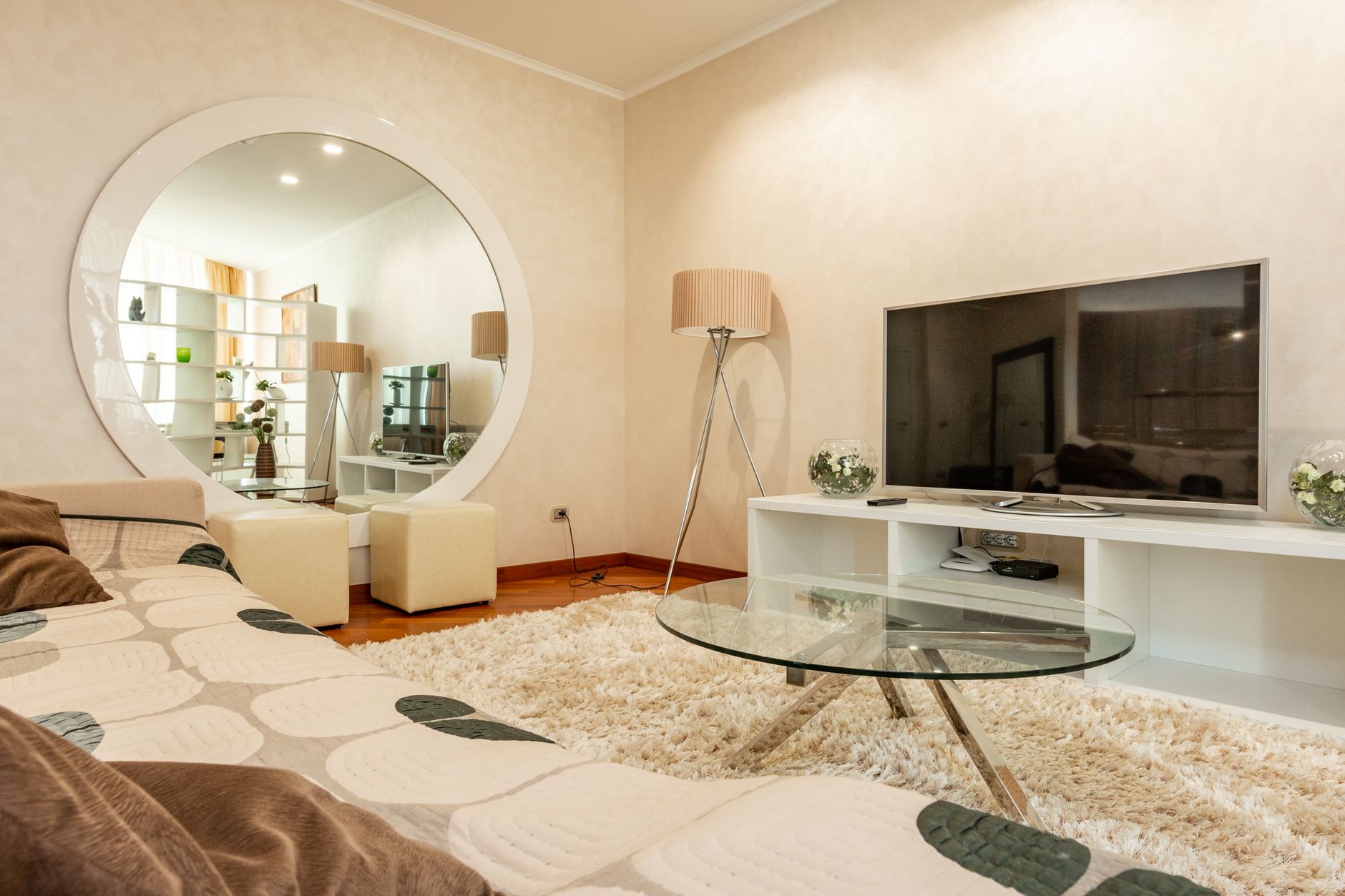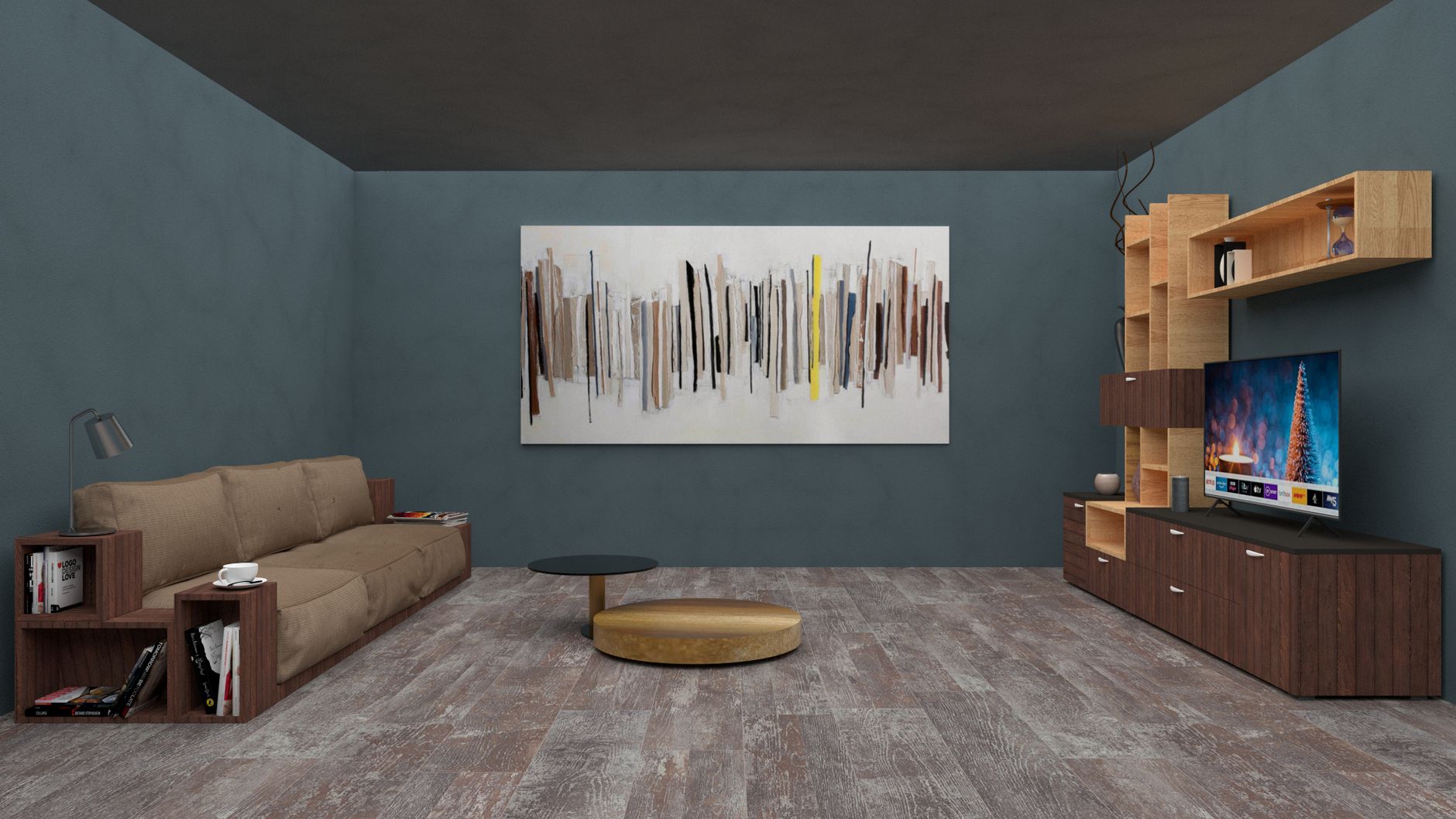
A rustic entertainment unit is one of those furniture purchases where going for the cheaper option usually backfires. The giveaway? The top surface. If it’s thin MDF with a printed wood-grain finish, you might see peeling or bubbling after just a year and a half. I’ve watched this happen all too often. Solid wood or quality veneer over hardwood significantly outlasts the budget options, and the price difference can be as little as $150 if you shop wisely.
This category includes everything from a $300 flat-pack at IKEA to a $1,500 handcrafted piece by a local artisan. Both might look stunning at first glance. The critical question is how you plan to use it over the next decade and how much actual wall space you’ve got.
Key Features of Rustic Units
The defining factor that distinguishes a true rustic entertainment unit from an ordinary TV stand is all about the craftsmanship. Look for visible joinery, a rough-sawn texture, and iron or matte-black hardware. Intentional imperfections in the finish also add character. Besides aesthetics, check out the back panel: a solid wood or plywood backing keeps the unit sturdy, while a flimsy cardboard-composite back can sag under the weight of your gear.
Storage usually varies between open shelving, closed cabinets, and drawers. Open shelves are stylish but can gather dust quickly, especially with pets around. Closed cabinets, often featuring shiplap-style doors in farmhouse designs, do a great job of hiding the clutter. Just remember, they can interfere with remote controls, so check if they allow for remote access or plan for an IR extender. Drawers are actually a great way to keep cables managed.
Popular Materials and Their Benefits
Pine is the go-to wood for these units because it’s affordable, lightweight, and stains unevenly in a charming way. It’s rustic without even trying. The downside? It dents easily. If you have kids running around, a pine unit can show every little bump and bruise within a year. Some folks appreciate that worn look, while others, well, not so much.
On the flip side, oak and acacia are heavier and sturdier, making them ideal for families seeking durability over that rustic vibe. Acacia’s tight grain also helps it resist moisture, which is meaningful if your living room tends to be humid. Reclaimed barn wood is a premium choice, uniquely one-of-a-kind and typically sourced from local craftsmen. Prices start around $800 and can climb steeply based on the maker.
- Pine: affordable, light, dents easily, great stain absorption
- Oak: hard, heavy, holds detail well, mid-range price
- Acacia: moisture-resistant, dense grain, often sold at Wayfair
- Reclaimed wood: one-of-a-kind, $800+, artisan-only
Sizing Your Entertainment Unit
Most living rooms are best suited with a unit that’s between 60 and 80 inches wide. Go smaller than 60 inches, and it can look lost against the wall. Any wider than 80 inches might create door clearance issues, especially in a compact space. Measure wall-to-wall, and then subtract about 12 inches on each side for breathing room. That gives you a good idea of your limit.
Height is often overlooked but critical. A unit that’s too tall will push your TV above a comfortable eye level. Ideally, if you’re wall-mounting, aim for the surface height to be around 24 to 30 inches from the floor. If the TV sits directly on the unit, go for 18 to 24 inches. Depth should hit at least 16 inches, especially if you want to fit a soundbar or streaming devices without having them hang over the edge.
Style Variations to Consider
When it comes to style, modern rustic often features clean lines and raw-edge accents, minimal hardware, and lighter finishes. Picture whitewashed oak or natural pine on slender iron legs. In contrast, farmhouse style goes all out with shiplap, distressing, and darker stains. Both styles fit under the rustic umbrella but create different feels within your space.
If your room already has a mix of furniture styles, modern rustic typically works better since it doesn’t demand a full commitment to one era. Farmhouse units can look striking, but they also stand out more. Just something to think about before you hit that “buy” button.
Where to Buy Rustic Units
IKEA’s HEMNES line is a solid choice for the budget-conscious, starting around $300 to $500. It’s not real wood, but the structure is decent. Wayfair has an impressive collection of acacia and pine units within the $400 to $900 range. Their filtering tools help you narrow choices based on depth and finish. Be sure to check the return policy too; large items can be a pain to send back.
Don’t overlook local artisans or small furniture makers on platforms like Etsy or at craft fairs. You might wait six to twelve weeks for delivery, and you’ll pay a bit more, but you get genuine solid wood construction and possibly custom sizes. For a focal piece in your living room, that extra cost usually pays off.
What to Think About Before You Buy
A rustic entertainment unit should first meet your space’s proportions rather than just your style preferences. Nail down your dimensions first, then hunker down on the wood and style. This order is often where folks go wrong. Beautiful units can look out of place if size and shape aren’t right. Plan for at least $600 if you want something solid that’ll last. Also, keep delivery fees in mind; they can add an extra $80 to $150 for items over 70 inches, depending on the seller.
FAQs
What is a rustic entertainment unit?
A rustic entertainment unit is a media cabinet made from natural materials, showcasing visible wood grain and a purposely aged finish, often with iron hardware and options for both open and closed storage.
How do I style a rustic unit?
Keep the styling minimal: a few plants, woven baskets for remotes, and accents in matte-black or bronze. Try not to mix too many wood tones on a single wall.
What materials are best for durability?
Oak and acacia are stronger than pine for long-lasting use. Reclaimed hardwood offers the best durability but usually comes at a higher price and requires specialized builders.