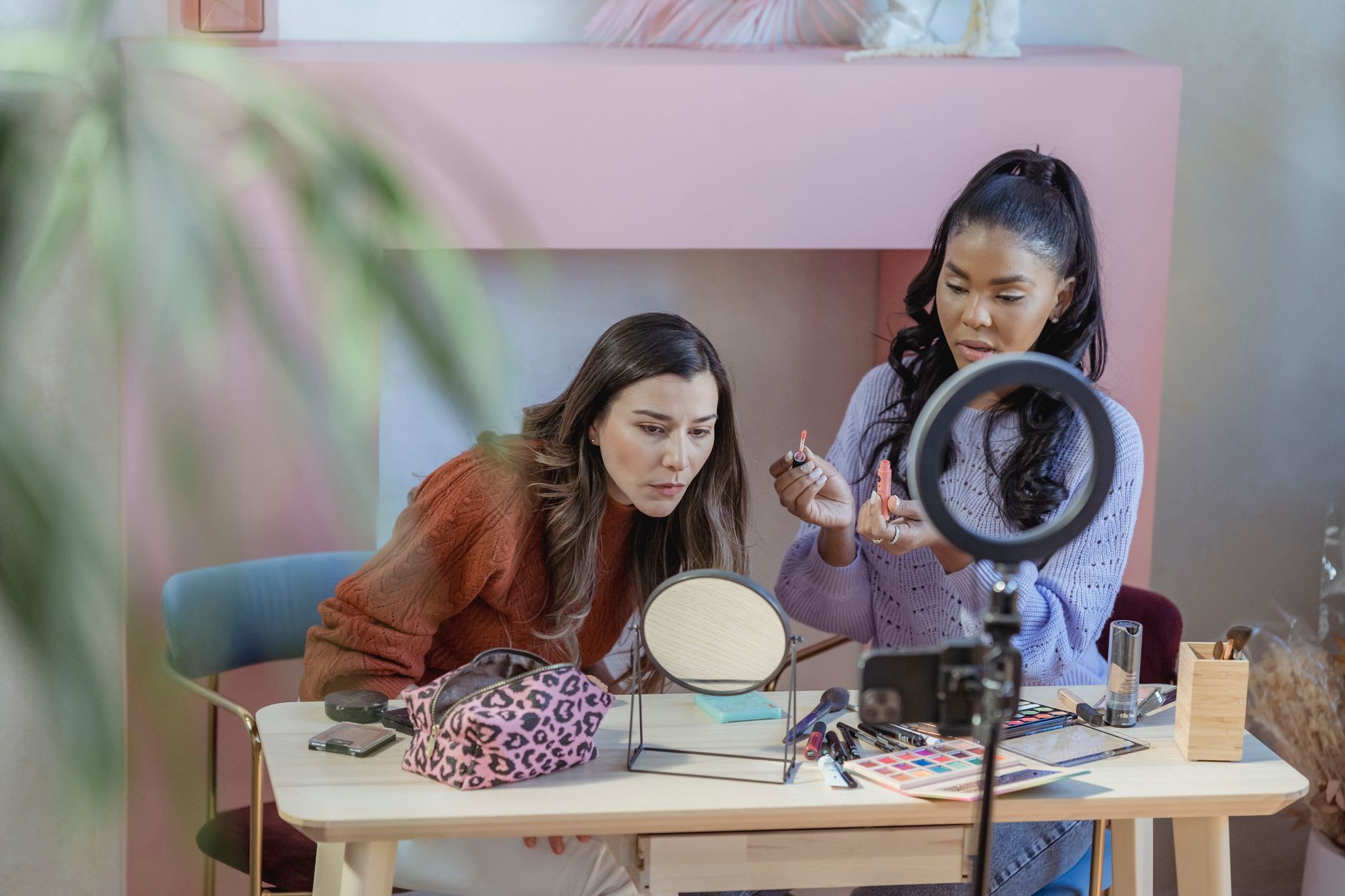
Lifestyle influencers collectively operate inside a $13.8 billion industry, and that number still catches people off guard. It surprised me too, the first time I read it properly. This isn’t celebrity endorsement money spread across a handful of famous faces. It’s mostly mid-tier creators posting about morning routines, home renovations, and meal prep, pulling real brand budgets away from TV spots and magazine spreads.
The shift happened faster than most marketing teams expected. From what I’ve seen working with a few small brands over the past couple of years, the ones still debating whether influencer spend “counts” as real marketing are already behind. Around 90% of brands now use influencers in some form, which basically makes it table stakes rather than experimental.
To make this concrete, I want to thread one example through here: a mid-size home goods brand called Nora & Co. (not their real name, but the situation is real). They moved about 30% of their social budget toward lifestyle influencers in early 2023 and found the results worth talking about. So let’s use them as a through-line.
Current trends in influencer marketing
The biggest shift in 2023 isn’t platform choice, it’s scale. Brands like Nora & Co. have largely stopped chasing mega-influencers with millions of followers and started working with micro-creators, usually between 10,000 and 100,000 followers, who post consistently about specific niches. Home décor, slow living, sustainable cooking. Engagement rates are usually higher, and cost per post is lower, sometimes well under $500 compared to around $5,000 per post at the upper tier.
TikTok has genuinely changed format expectations. Short video now bleeds into how creators behave on Instagram Reels and YouTube Shorts. Nora & Co. found that a 45-second “unboxing in my actual messy kitchen” clip outperformed a polished 3-minute tutorial by a noticeable margin. Audiences on these platforms aren’t looking for production quality. They want something that feels like a real moment.
Authenticity and engagement
About 75% of consumers say they trust recommendations from influencers they follow, which sounds high until you realise the trust is conditional. It breaks fast when content feels like an ad. Nora & Co. learned this when one of their partner creators posted a clearly scripted caption. Comments dropped off, and a few followers called it out directly.
What works better is what I’d call “context embedding.” The creator uses the product during something they were already doing, mentions it briefly, doesn’t oversell. The creator Nora & Co. got the best results from just cooked dinner. The cutting board was there, she mentioned it once, and that post drove more traffic than two formally sponsored posts combined. Lifestyle influencers who maintain this kind of naturalism tend to hold audience trust longer. It’s just restraint, which turns out to be harder than it sounds when a brand is paying you and asking for five talking points.
Measuring success: key metrics
Follower count is basically useless as a primary metric at this point. Nora & Co. switched to tracking saves, link clicks, and repeat purchase attribution from discount codes. Saves on Instagram in particular signal intent. Someone saving a home décor post is more likely to buy eventually than someone who liked it and scrolled on.
- Saves and bookmarks (purchase intent signal)
- Swipe-up or link-in-bio click-through rate
- Unique promo code redemptions
- Comment sentiment (manual, but worth it for smaller campaigns)
YouTube tends to show the longest attribution window. A viewer might watch a lifestyle influencer’s video in March and buy the product in June. If you’re only looking at 7-day conversion data, you’ll undercount YouTube’s actual value.
Challenges for lifestyle influencers
The income side is less stable than the $5,000-per-post average suggests. That figure represents established creators with strong engagement. Plenty of lifestyle influencers are earning a few hundred dollars per post and patching together income from affiliate links, Substack subscriptions, and the occasional gifting deal that doesn’t pay at all. Burnout is common, and honestly “common” might be an understatement.
Platform algorithm changes are a real operational headache. Several creators Nora & Co. worked with saw their reach drop 20 to 40% after Instagram tweaked its Reels distribution in mid-2023. For a creator whose income depends on reach, that’s a bad month, not a minor fluctuation. Diversifying across Instagram, TikTok, and YouTube is the practical answer, though maintaining quality across three platforms is exhausting in ways that don’t always show up in strategy decks.
Where influencer collaboration is heading
Lifestyle influencers are moving toward longer-term brand relationships rather than one-off sponsored posts, and brands are responding. Instead of a single $5,000 post, some deals now look like a quarterly retainer: consistent content, a product development input session, maybe early access to new lines. Nora & Co. signed a six-month arrangement with one creator in Q3 2023, and brand visibility was measurably more consistent than their previous campaign-by-campaign approach.
Co-created products are also increasing. A creator who genuinely uses a brand’s products and has real audience trust is a reasonable candidate for a limited collab. It’s not a fit for every brand or every lifestyle influencer, but where the audience overlap is genuine, it can outperform traditional advertising by a wide margin, in my experience anyway.
FAQs
What defines a lifestyle influencer?
A lifestyle influencer creates content around daily life, covering home, food, travel, or wellness, and monetises audience trust through brand partnerships or direct sales.
How do lifestyle influencers monetize their content?
Most combine sponsored posts, affiliate commissions, and platform revenue. Established creators also earn through digital products, memberships, or co-branded merchandise.
What are the best platforms for lifestyle influencers?
Instagram, TikTok, and YouTube dominate in 2023. Instagram suits visual storytelling, TikTok rewards short-form video, and YouTube works best for longer tutorials with durable search traffic.
1 Comments