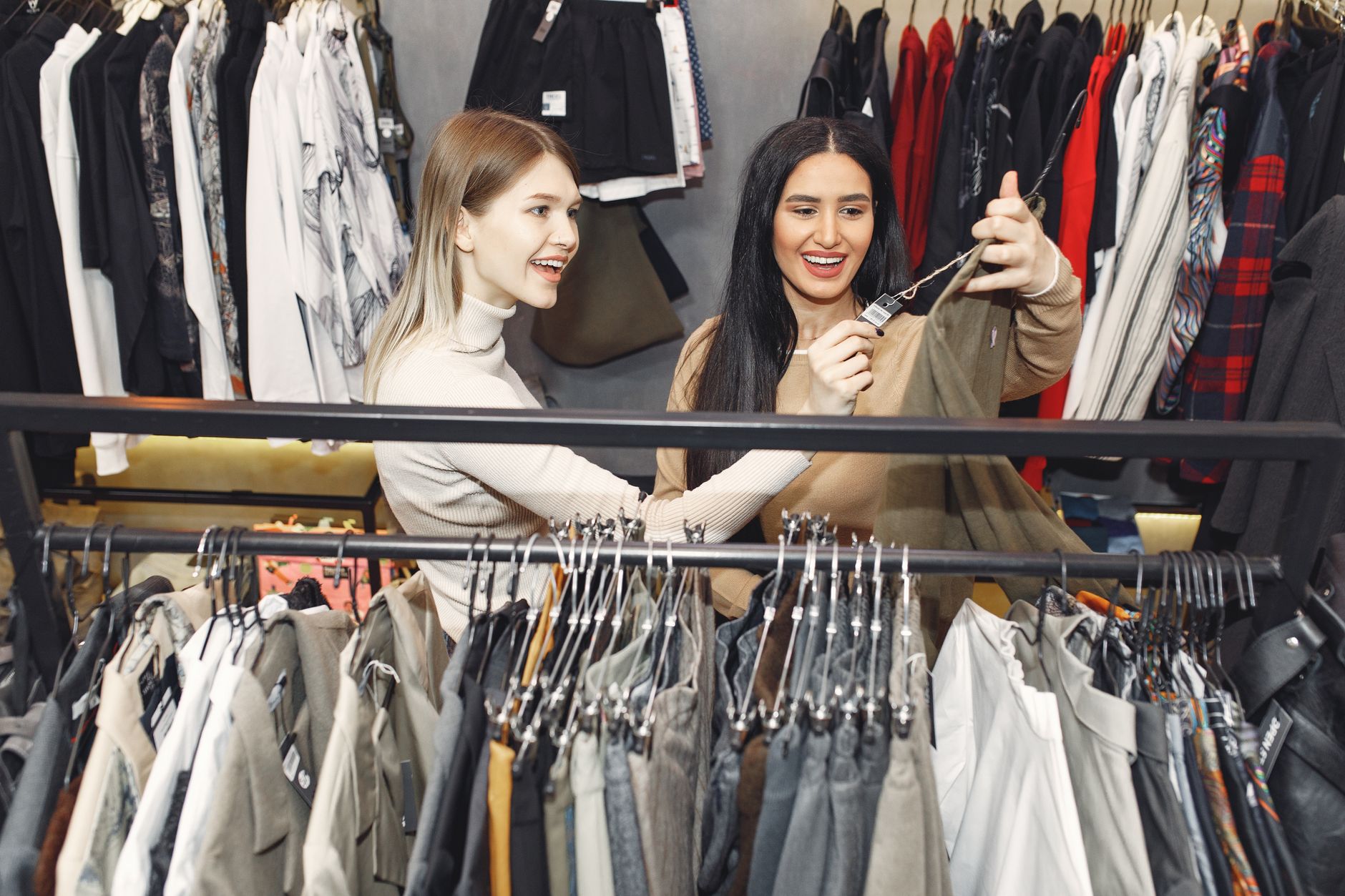
In 2023, the global lifestyle clothing market was valued at an impressive $1.1 trillion. That figure isn’t just a statistic; it shows a big change in how we view clothing. Nowadays, lifestyle clothing goes beyond just how functional or stylish it is. It represents identity, community, and belonging. So, what does this mean for consumers, and why are brands eager to jump on this trend?
One major reason lifestyle clothing is thriving is the growth of the athleisure market, which is expected to grow at a compound annual growth rate (CAGR) of 8.9% through 2030. This category shows that people want clothing that easily shifts from the gym to casual outings. Let’s explore what this trend means for our buying habits and choices.
Understanding Lifestyle Clothing
Lifestyle clothing isn’t all about the fabric or appearance; it’s more about how it makes you feel and the identity it represents. It reflects a certain lifestyle or ethos, whether that’s fitness, sustainability, or casual style. For instance, brands like Patagonia focus on environmental responsibility—not just selling clothes, but offering a lifestyle choice.
In fact, the average American buys about 68 garments each year, and many of these choices are driven by lifestyle branding. People are increasingly drawn to items that resonate with their identities—be they athletes, eco-friendly advocates, or just fans of comfy clothing. It’s about creating an image, and lifestyle clothing plays a key role in that process.
What makes lifestyle clothing appealing is its promise of comfort, versatility, and style. Instead of chasing fleeting trends, these garments provide a canvas for personal identity. From classics that have stood the test of time, like Ralph Lauren’s lifestyle brand launched in 1967, to newer options that focus on wellness and sustainability, the underlying message stays the same: wear what truly reflects you.
Brands That Created Cultures
Some brands have turned lifestyle clothing into a cultural phenomenon. Take Lululemon, for example. They reported revenues of $9.6 billion in fiscal 2023. They’re not just selling athletic wear; they’re marketing a fit and mindful lifestyle that resonates with a loyal customer base. Their community-focused events help solidify this loyalty.
Then there’s Patagonia, which excels in crafting high-quality outdoor clothing and impactful marketing campaigns. Their “Don’t Buy This Jacket” initiative promotes sustainability, and it strikes a chord with customers who value authentic brands that echo their values.
On the flip side, fast fashion brands usually compete based solely on price. The price difference often ranges between 300-500% compared to lifestyle brands. While fast fashion offers quick and cheap purchases, many shoppers are recognizing the long-term benefits of investing in quality pieces that genuinely reflect their lifestyles—even if it means spending a bit more upfront.
Let’s dive into how you can navigate this crowded market effectively.
Smart Shopping in the Lifestyle Market
With so many choices out there, how do you make smart purchases in lifestyle clothing? First, pinpoint what aspects of a brand’s lifestyle resonate with you. Are you after activewear that works for casual outings? Or maybe you want sustainable clothes that showcase your commitment to the environment?
Watching for brand transparency is also vital. Brands that foster a conscious buying experience usually provide details on their production methods, material sourcing, and environmental effects.
Also, consider investing a bit more in high-quality pieces. It might be tempting to reach for cheaper options, but lifestyle clothing generally offers better durability and versatility. That means you’ll likely buy fewer items over time, saving you money and cutting down on waste.
Don’t overlook second-hand options either. Thrift stores and online marketplaces often have great deals on quality lifestyle brands. This way, you can embody your desired lifestyle without stretching your budget.
When shopping, always think about the longevity and versatility of your choices. Is that bold piece versatile enough to pair with different outfits, or is it just going to collect dust in your closet? Making thoughtful choices boosts both your wardrobe’s sustainability and your personal style.
FAQs
What is lifestyle clothing?
Lifestyle clothing consists of garments that reflect and promote specific identities or lifestyles, focusing on comfort, versatility, and personal expression rather than transient fashion trends.
Is lifestyle clothing worth the higher price?
Lifestyle clothing usually provides better quality, durability, and brand values that align with personal values, making it a worthwhile investment over time.
What are the top lifestyle clothing brands?
Notable lifestyle clothing brands include Lululemon, Patagonia, Ralph Lauren, and Nike, creating strong identities and communities around their products.


1 Comments