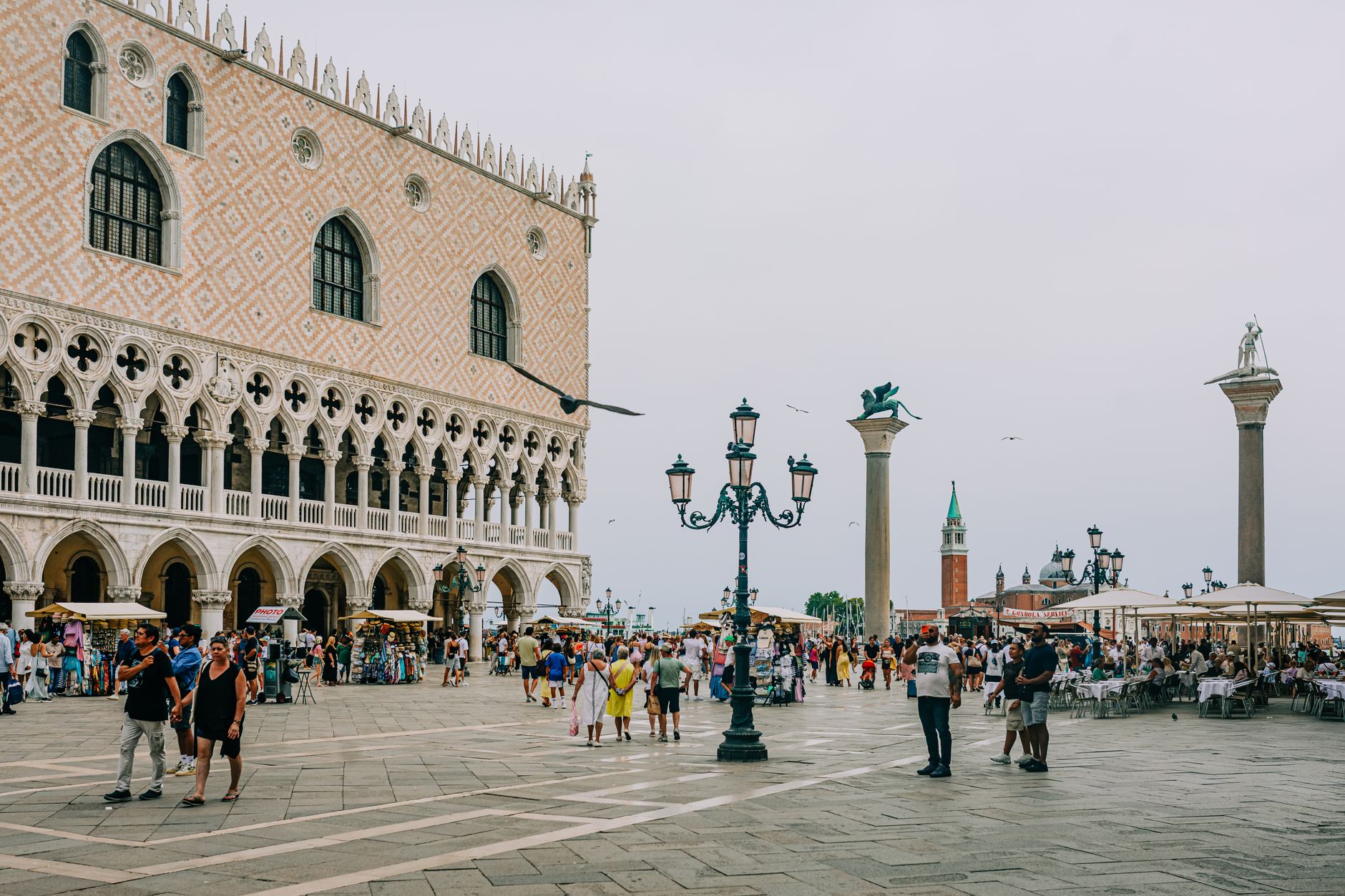
Italy’s one of those places that rewards you every single time. I’ve been several times now, and each trip I’ve stumbled across something that made the previous visit feel incomplete. The food, the history, the sheer density of beautiful things per square kilometre — it’s a lot to take in. Planning matters more than people expect, so here are the italy travel tips I wish I’d had on my first trip.
Ideal Months to Visit Italy
April through June is the sweet spot, honestly. Temperatures sit somewhere between 15°C and 25°C, outdoor cafes are open, and the crowds haven’t fully arrived yet. I’ve done a late-April week in Tuscany and it was almost suspiciously pleasant. July and August are a different story: Rome in August feels like standing inside an oven, and prices jump noticeably. September and October work well too, with thinner crowds and that golden afternoon light, though you’ll want a jacket by evening. Worth knowing before you book.
Budgeting Your Italy Trip
A comfortable daily budget runs around €100 to €150, covering a mid-range bed, meals, local transport, and a museum or two. Hostels start near €50 a night; decent hotels push €200 and beyond. Food is where you can really control costs. A pasta dish at a neighbourhood trattoria is maybe €10 to €12, while a three-course dinner with wine climbs to €40 per person without much effort. And street food is genuinely good here, not a consolation prize. A proper Roman pizza al taglio costs a couple of euros and beats most sit-down lunches I’ve had elsewhere.
Must-Visit Cities in Italy
Italy is filled with incredible cities, but these five should anchor your itinerary:
- Rome: The Colosseum, the Vatican, the neighbourhoods you wander into by accident — you could spend a week and still feel rushed.
- Venice: Famous for its canals and stunning architecture, Venice offers a romantic vibe that’s hard to beat. A gondola ride is pricey but worth doing once.
- Florence: The heart of the Renaissance, with the Uffizi Gallery and the Duomo as the obvious anchors, though the leather market near San Lorenzo is equally worth your time.
- Milan: More than just fashion — The Last Supper and the Gothic Cathedral alone justify a stop.
- Naples: Birthplace of pizza, genuinely less touristy, and the street energy is unlike anywhere else in the country.
Key Italian Phrases to Know
A little Italian goes a long way. Locals notice the effort, even when your pronunciation is rough.
- Ciao – Hello/Goodbye
- Grazie – Thank you
- Per favore – Please
- Dove si trova…? – Where is…?
- Quanto costa? – How much does it cost?
These five phrases cover most daily interactions. Using them also shows basic respect for the culture, which matters more in smaller towns than in tourist-heavy city centres.
Navigating Italy’s Transport System
Getting around is easier than most people expect, especially between major cities.
- Trains: High-speed rail connects Rome to Milan in under three hours. Book in advance and that ticket can run about €50; leave it to the last minute and it doubles.
- Buses: Cheaper for reaching smaller towns, though the schedules can be thin, so check timings the day before.
- Car Rentals: Great for the countryside, but narrow village roads and ZTL restricted zones in city centres will catch you out if you’re not prepared.
Important Cultural Etiquette
A few things tripped me up on my first visit. Greeting people with “Buongiorno” in the morning or “Buonasera” in the evening goes a long way, even in shops. At restaurants, modifying a dish is generally frowned upon — order it as it comes, or pick something else. Tipping isn’t expected the way it is in the US; rounding up the bill is enough, and sometimes the coperto (cover charge) is already built in. Churches require covered shoulders and knees, so carry a light scarf in your bag.
What I’d Tell a First-Timer
The best italy travel tips I can offer aren’t about logistics. Spend at least one afternoon with no agenda. Local markets, side-street bakeries, a piazza bench with an espresso — that’s where the trip actually happens. Ask a shopkeeper where they eat lunch; I’ve ended up at two genuinely brilliant places that way, neither of them findable online. Don’t rush the pasta. Italy is built around the idea that slowing down is productive, and the sooner you accept that, the better the trip gets.
FAQs
What is the best time to visit Italy?
April to June or September to October offer the most comfortable weather and manageable crowds.
How much should I budget daily for Italy?
Plan on €100 to €150 per day for accommodation, meals, and local transport.
What are the top cities to visit in Italy?
Rome, Venice, Florence, Milan, and Naples each offer a distinct slice of Italian culture and history.
1 Comments