South America really rewards those who do a bit of homework and can be unforgiving to those who just follow the Instagram crowd. I found this out the hard way during my first trip years ago, blowing most of my budget in two weeks in Brazil when I could’ve stretched the same cash across three countries.
The best places to travel in South America right now aren’t always the most picturesque or the ones everyone raves about. They’re the destinations where your dollar actually goes further. This fluctuates year to year—and sometimes month to month—so the insights below are accurate as we head into 2025, rather than what a travel magazine decided was hot back in 2019.
I’ll weave Colombia into most of this discussion because it’s a prime example of a place that keeps overdelivering. But keep in mind that comparisons with Peru, Bolivia, Argentina, and more are important for planning your trip.
Best Value Destinations
Lonely Planet declared Colombia the top budget destination for 2024, and I’d say they hit the nail on the head. Metro rides in Medellín are under a dollar. You can grab a set lunch in Cartagena’s outer neighborhoods for around $3. If you head to the coffee region, a solid week can easily be under $500, covering accommodation, food, and transport. The infrastructure’s come a long way in the last decade, which makes it easier to get around without shelling out for pricey private transfers.
Bolivia, while lacking in glamour, takes the crown for pure cost-effectiveness. You can expect an average daily spend of under $35 unless you’re staying in boutique hotels. This sets it apart in South America. Salt flats tours, Sucre’s colonial center, and the Yungas road don’t break the bank. Sure, there’s the challenge of altitude and some rough transport, but many backpackers swear it’s their favorite country because you really don’t feel the financial pressure.
Argentina is a bit of a wild card right now. With the peso devaluation, Buenos Aires has dropped 40 to 60 percent cheaper for anyone paying in US dollars or euros, depending on the day you exchange. A steak dinner can cost between $12 to $18, whereas a similar meal in a European city would be about $50. This window to capitalize on the exchange rates won’t last, so don’t hesitate if you’re considering it. For budgeting, Ecuador is predictable: since it’s been using the US dollar since 2000, you won’t run into any currency surprises.
Now, Patagonia spans about 400,000 square miles in southern Chile and Argentina. It isn’t a budget-friendly spot, with park fees, gear rental, and minimal transport options driving daily costs up. But the stunning scenery is hard to find anywhere else. If you plan to go, treat it as a splurge part of your trip and keep the rest more economical.
Hidden Costs and Fees
If you’re not careful in Peru, you might get blindsided. Machu Picchu raised its entry fee in 2023 to between $45 and $152, depending on which circuit you choose and if you include Huayna Picchu or the Sun Gate. Don’t forget about the train fare from Cusco, which can range from $70 to $150 round trip. A week focused on Machu Picchu can sneakily be one of the more expensive weeks in your South American adventure, even though the country itself is fairly affordable.
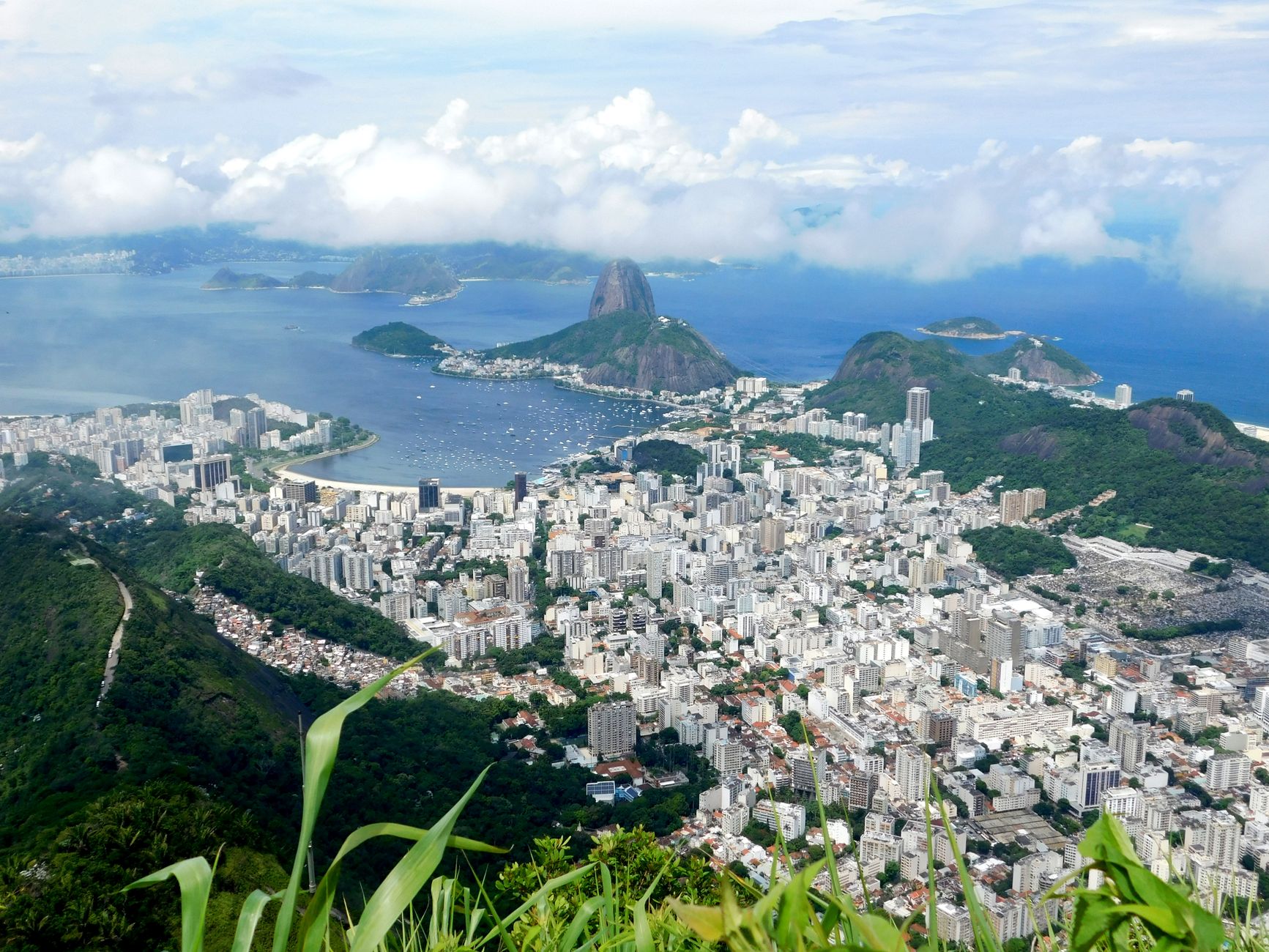
Brazil made waves in 2024 by dropping the visa requirement for US citizens. That eliminated a previously $160 barrier, making Brazil much more accessible for spur-of-the-moment trips. Just a heads-up, Brazil’s internal flights and hotel prices in Rio and São Paulo are on par with Europe, not Colombia or Bolivia. It’s still not cheap, but at least you won’t have to deal with visa hassles.
Colombia has a small catch: some municipalities impose a tourist tax, the “impuesto de turismo,” charged at check-in, typically around $1 to $3 per night. It won’t break the bank, but it’s good to be aware of it so you’re not confused by an extra fee on your bill.
When and How to Book
Timing is key in South America, more than many realize. Patagonia’s main season is from November to March. Venture outside that window, and expect some trails to close, certain lodges to shut, and the weather to get rough. If you’re planning a visit in January, book accommodations in Patagonia four to six months in advance—W Trek huts fill up that quickly, and there’s no substitute.
For Colombia, the ideal times to visit are December through March and July through August, when the dry season makes the coffee region and Caribbean coast much nicer. It’s peak season, so book ahead if you’re eyeing prime guesthouses in Cartagena. I’d definitely recommend going during this time instead of risking rain for a few bucks saved.
The best places to travel in South America favor flexible travelers. If you can shift your dates by a couple of weeks, you can often snag shoulder-season prices while still enjoying decent weather. Booking internal flights about three to four weeks in advance usually yields good fares. Last-minute tickets on popular routes like Bogotá to Medellín or Lima to Cusco can spike in price. When it comes to buses, you can usually book on shorter notice, and that’s still the most reliable way to stretch your budget across borders.
FAQs
What is the cheapest country to visit in South America?
Bolivia, averaging under $35 daily for budget travelers. You’ll find food, transport, and accommodation significantly cheaper there compared to other countries.
Do US citizens need a visa for Brazil?
No, as of 2024, Brazil eliminated the visa requirement for US citizens, allowing entry with just a valid passport for tourist stays.
What is the best time of year to visit Patagonia?
The main season runs from November to March, featuring the most stable weather and open trails. January sees peak traffic, so ensuring accommodations well in advance is crucial.