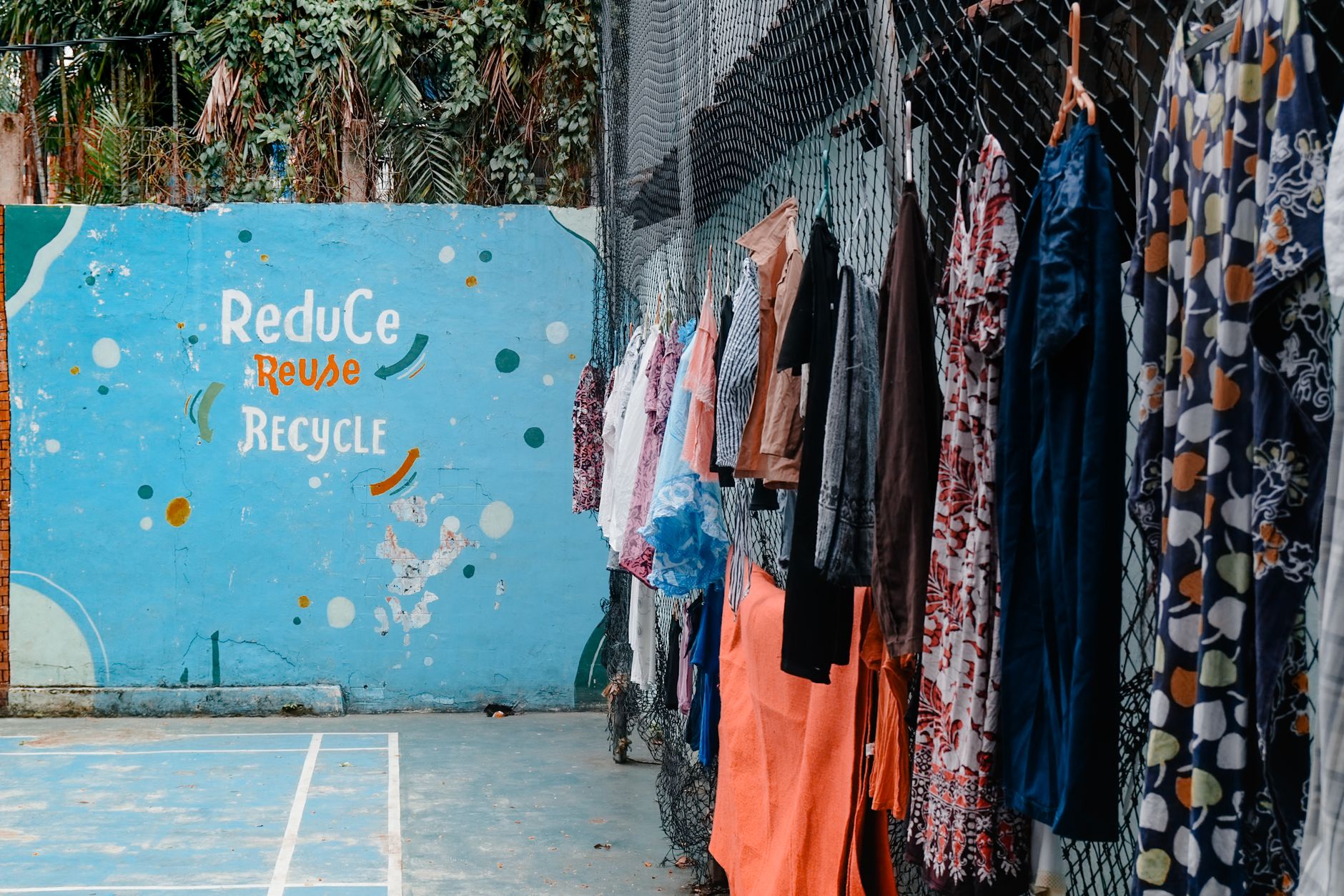
Every year, fast fashion waste adds up to around 92 million tons of textile globally. That number sounds almost made-up, but it points to something real and uncomfortable about how we shop. Take Aisha, a college student who loves a good sale. Her recent closet clean-out turned up bags of clothes she’d barely worn, tags still on, stuffed into corners she’d forgotten about.
Fast fashion built itself on the promise of cheap, on-trend clothing, and for a while that felt like a win. But the hidden costs, for the environment, for workers, for our own sense of enough, tend to catch up. Aisha’s story isn’t unusual. A lot of young people are living some version of it.
Scale of Fast Fashion Waste
The numbers are hard to sit with. Around 92 million tons of textile waste land globally each year, and from what I’ve seen reported consistently, roughly 85% of discarded clothes end up in landfills rather than being repurposed. Aisha’s overstuffed bags were, in the grand scheme, a tiny fraction of that. Still, it’s a fraction that multiplies across millions of closets.
Somewhere around one in three young consumers buys fast fashion every single month. New drops, limited-time styles, constant newness — it all pushes a throwaway mindset where clothes get worn a handful of times before being replaced. The average American discards about 81 pounds of clothing a year. That cycle doesn’t slow itself down on its own.
Environmental Impact
The fashion industry accounts for roughly 10% of global carbon emissions, more than international flights and maritime shipping combined. Every cheap blouse Aisha grabbed on impulse comes from a production chain that burns through energy and generates pollution at a scale most shoppers don’t think about at the register. It’s easy not to.
Only about 5% of clothes get recycled globally. The rest pile up in landfills, where synthetic fibres take decades to break down and release chemicals into soil and groundwater. And that’s before you factor in water. A single cotton T-shirt can take up to 2,700 litres of water to produce, roughly a bathtub and a half, which is genuinely alarming in regions already struggling with shortages. Aisha hadn’t connected her quick purchases to any of this until she started looking.
Social Consequences of Waste
Most fast fashion garments are made in countries where labour protections are thin and enforcement is thinner. Workers face long hours, unsafe conditions, and wages that don’t reflect the markup on the final product. Aisha wasn’t thinking about any of that while browsing a sale rack, which is honestly how the system prefers it.
There’s a quieter cost too. Consumer culture, especially around fashion, feeds a low-grade anxiety in young people, a constant pressure to keep up, to look current, to own more. Aisha told me she often felt buried by her own wardrobe rather than excited by it. That feeling is more common than brands would like to admit, and it drives waste as much as any trend cycle does.
Solutions and Alternatives
Aisha started poking around second-hand shops and found things she actually liked better than the new stuff she’d been buying. Thrifting cuts fast fashion waste directly by extending the life of clothes already in circulation. It also tends to produce more interesting finds (and costs less, which helps). Some brands have introduced buy-back programs where you return old items for store credit, which I think is a genuinely smart model if the returned clothes actually get resold or recycled rather than landfilled.
A more minimal wardrobe is worth trying, though I’ll be honest, it’s harder to stick to than it sounds. The basic idea is investing in fewer, better pieces instead of chasing every trend. Aisha shifted toward buying things she could wear in multiple contexts, which meant buying less overall. It took a few months to feel normal.
Where Fashion Waste Goes Next
There’s real momentum around textile recycling and biodegradable fabrics, even if most of it hasn’t scaled yet. Aisha got involved with a local upcycling group, which connected her with people doing hands-on work: altering clothes, running swap events, collecting donations for textile processors. That kind of grassroots effort matters, even when the policy side moves slowly.
Brands are being pushed, by regulators in some markets and by public pressure in others, to account for what happens to their products after the sale. Some are responding seriously; a lot are still mostly gesturing at sustainability without changing much. The industry is at a real fork in the road with fast fashion waste, and which path wins probably depends on what enough individual shoppers decide to tolerate.
FAQs
What is fast fashion waste?
It’s the discarded clothing produced by the fast fashion industry, cheap and trend-driven items worn a few times then thrown away, generating millions of tons of textile waste annually.
How much clothing is thrown away each year?
Around 92 million tons globally, with the majority going to landfills rather than recycling, making fast fashion waste a significant driver of environmental pollution.
What are sustainable alternatives to fast fashion?
Buying second-hand, supporting brands with genuine ethical practices, and building a smaller wardrobe focused on quality pieces that last are the most practical starting points.

1 Comments