You can’t have security without some level of surveillance, but it’s tricky to know where to draw the line. The debate around surveillance technology isn’t just about the tools we use; it’s also about how these tools impact our privacy and civil liberties. When I looked into it, I was surprised to find that the global surveillance market is now worth around $50 billion. That number really makes you think about how important it is to understand our rights in such a monitored world.
As we dig into this topic, it’s essential to consider the types of surveillance technologies out there, which countries are leading the way, and how public sentiment is changing. These factors create a complicated discussion that we all need to engage with.
Key Types of Surveillance Technologies
Surveillance technology has come a long way. I’ve seen four key types really dominate the landscape:
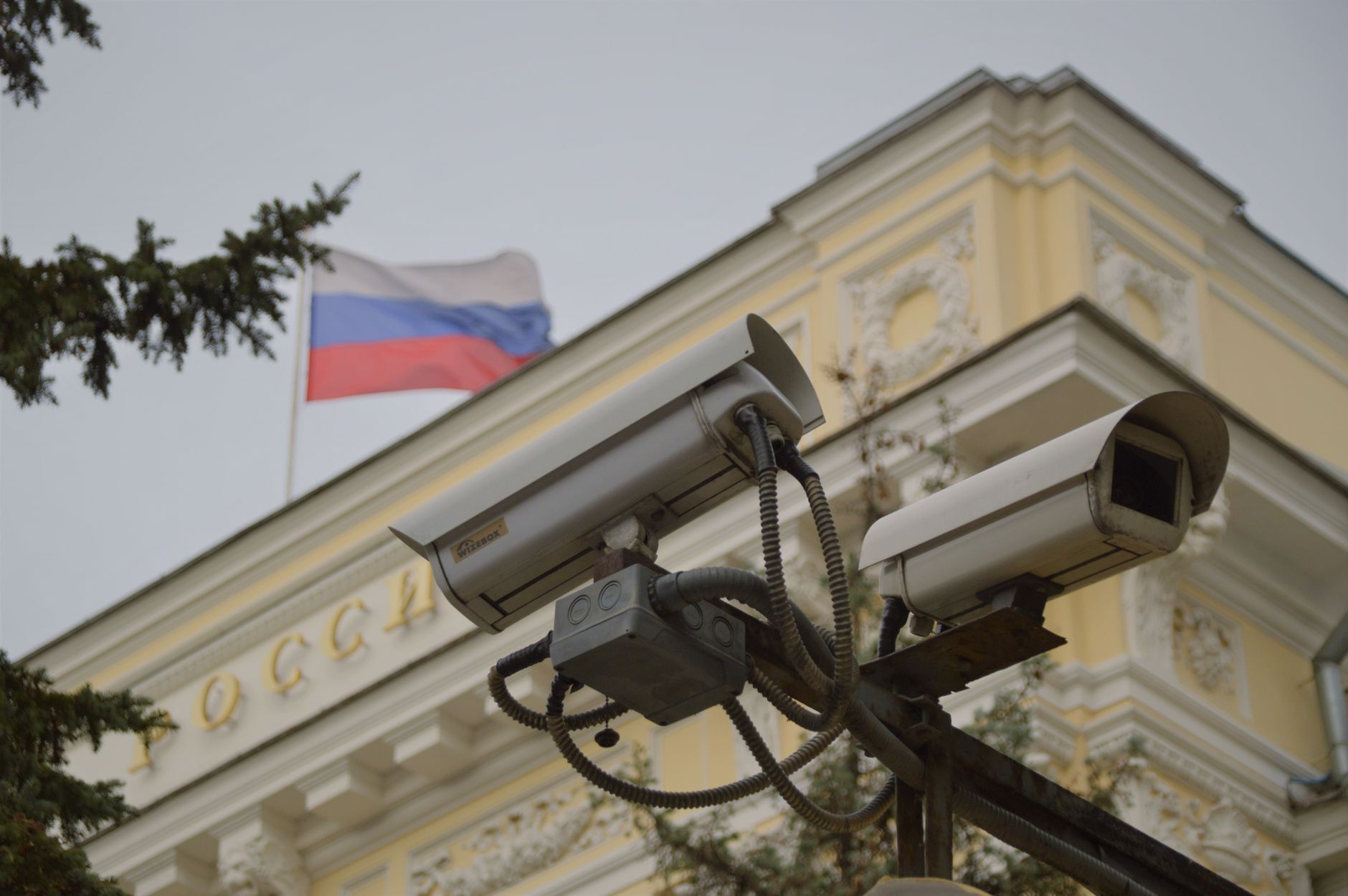
1. CCTV Cameras: You probably know these well. They’ve been around for years, deterring crime in public spaces and businesses alike. Nowadays, many models even come with facial recognition features.
2. Drones: Increasingly adopted by law enforcement and the military, drones provide a unique aerial view to monitor large areas. They often carry cameras and various sensors.
3. Biometric Systems: These systems rely on unique physical traits, like fingerprints or facial recognition, for identification. I’ve noticed these popping up more at airports and security checkpoints.
4. Internet Surveillance: This involves keeping tabs on online activities through ISPs and social media platforms. Governments might use this information for everything from national security to public safety.
Each type of surveillance technology plays a part in a broader security strategy, but the public’s comfort level varies greatly, raising significant ethical questions.
Countries Leading in Surveillance Use
When it comes to countries embracing surveillance technology, five really stand out:
1. China: The king of surveillance states, boasting millions of CCTV cameras in its urban areas and heavily utilizing AI for facial recognition.
2. United States: Known for various surveillance initiatives, including extensive NSA programs focusing on both domestic and international data collection.
3. United Kingdom: With its dense network of CCTV cameras, the UK incorporates surveillance into public safety measures, especially in cities.
4. Russia: Increasing its surveillance capacity, particularly online, to keep an eye on political dissent and control information.
5. India: Rapidly building its surveillance framework, particularly through biometric data, to enhance security and governance.
These nations reflect a growing trend toward extensive surveillance, each driven by unique motivations and strategies.
Public Sentiment on Surveillance
Public opinion on surveillance technology is complicated and somewhat contradictory. I’ve read recent surveys showing that while many people worry about privacy violations (around 60% expressed concern), most still support surveillance measures that boost public safety. It highlights a real tension between wanting security and the need to protect personal privacy.
This ambivalence shows that while folks are becoming more aware of their data rights, many still prioritize safety above all else.
Controversies in Surveillance
There are plenty of controversies around surveillance technology, often involving serious ethical issues. Two examples come to mind:
1. The Snowden Revelations: Edward Snowden’s disclosures exposed massive NSA surveillance programs that violated privacy rights. This sparked national and global debates about government overreach and civil liberties.
2. Facial Recognition Controversy: Cities like San Francisco have banned facial recognition due to fears of racial bias and privacy issues. This backlash indicates a growing awareness of the risks of unchecked technologies.
These cases highlight the risks of unrestricted surveillance and the urgent need for regulations that safeguard citizens.
Future Projections for Surveillance Tech
Looking ahead, the global market for surveillance technology is expected to grow about 10% a year, possibly exceeding $70 billion by 2027. The driving forces behind this growth are advancements in AI and the Internet of Things (IoT), plus increasing investments in security.
As technology gets smarter, so do surveillance capabilities. One thing I worry about is how policymakers will balance these advancements with the need to protect civil liberties.
Ongoing Privacy Debate
Ultimately, the debate around surveillance technology boils down to finding a balance between security and privacy. As society evolves with new tech, discussions are bound to continue. Do we accept more surveillance for safety, or do we hold onto our privacy rights, possibly sacrificing some security?
Navigating this complex space isn’t simple, but with informed discussions and thoughtful legislation, we can strive for a future that honors both safety and personal freedoms, especially as surveillance technology keeps advancing.
FAQs
What are the main types of surveillance technology?
The key types include CCTV cameras, drones, biometric systems, and internet surveillance, each playing different roles in monitoring and security.
How is public opinion shifting on surveillance?
Public sentiment leans toward concern about privacy violations, with around 60% expressing unease, yet many also support measures bolstering public safety.
What are some controversies surrounding surveillance technology?
Controversies include the Snowden revelations regarding NSA overreach and opposition to facial recognition due to bias and privacy issues.