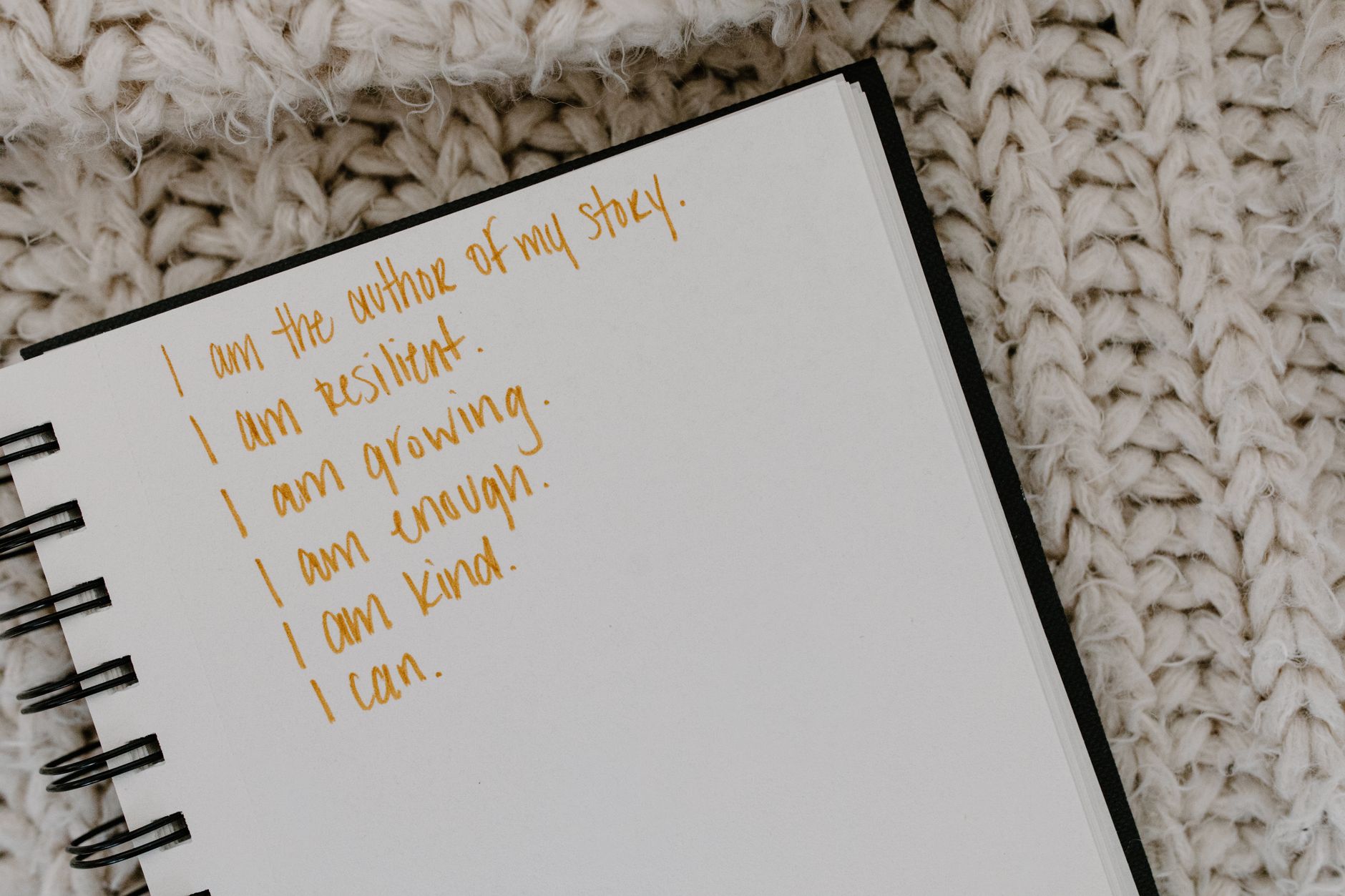
Affirmations can be a powerful tool in personal development. Even though they’ve been around for ages, a lot of folks still don’t quite know how to use them effectively. It’s not just about repeating positive phrases; you’ve got to weave them into your daily life in a way that really connects with your mind and body.
When I first started using health affirmations, I found that timing and wording make a big difference. Let’s break down how health affirmations work and how you can create a meaningful practice around them.
What Health Affirmations Do
Health affirmations operate on several levels, influencing both our psychology and physiology. I remember a study from Carnegie Mellon University in 2009 that looked into self-affirmation. They found that practicing self-affirmation could actually lower cortisol levels, which is the stress hormone. Lower stress can lead to better emotional and physical health.
It’s more than just feeling good; health affirmations can result in real changes in how our bodies handle stress. Using positive self-talk impacts our body’s reactions. If you stick with it, health affirmations can help lower stress levels, which is great for overall wellness.
That said, affirmations aren’t a one-size-fits-all deal. The real power lies in tailoring them to fit your unique situation and mindset. If you skip this customization step, they can feel ineffective or even inauthentic.
Timing and Wording Matter
Timing and wording are key to effective affirmations. Many people prefer morning affirmations because they help set a positive tone for the day. Mornings are ideal for welcoming positive change, but evening affirmations work, too. They can help reflect on the day and reinforce gratitude or growth.
The way you frame your affirmations also plays a huge role. Saying “I am healthy” has a different impact than saying “I will be healthy.” The first is a present reality, while the second hints at uncertainty. I’ve noticed that using present-tense wording creates a stronger emotional connection, making affirmations more effective.
Don’t forget about the placebo-nocebo effect. If you truly buy into the affirmations you’re practicing, you’re more likely to see good results. On the flip side, if you’re skeptical, you might miss out on their benefits altogether.
Creating a Daily Affirmation Habit
For an effective daily affirmation routine, aim for at least five minutes a day. That’s just long enough to get your mind engaged but short enough to help you stick with it.
Start by picking 3-5 affirmations that resonate with you personally. Write them down or say them out loud, focusing on a specific body cue—like your breathing or an area where you feel tension. Making this physical connection can boost the affirmations’ effectiveness.
The goal is to keep this up for 21 days. Research suggests this duration is the sweet spot for habit formation, giving you ample time to integrate affirmations into your daily life.
If staying consistent is tricky, think about setting reminders or link affirmations to habits you already do, like brushing your teeth or sipping your morning coffee. This way, you’re anchoring them to routines you already have, making it easier to adopt them.
Although it seems simple, sticking with a daily affirmation practice can lead to significant changes over time. By focusing on timing and wording, you’re laying the groundwork for a better mindset and improved health.
FAQs
Do health affirmations really work?
Yes, health affirmations can work effectively when tied to specific body cues and utilized with proper timing and wording, leading to reduced stress and better overall health outcomes.
How long does it take for affirmations to work?
Typically, it takes at least 21 days of consistent practice for affirmations to become a habit and show significant results in your mindset and well-being.
What are the best health affirmations to say daily?
Effective daily health affirmations include statements like “I am healthy and strong” and “I nurture my body with love and care,” which instill positivity and present-tense belief in your health.