Think about the gadgets filling your life right now. Most of them trace back to shifts that happened in the 2000s, and honestly, that decade changed how people talk, share, and entertain themselves more than any other ten-year stretch I can point to. Two big forces drove it: personal devices that rewired how we communicate, and online platforms that blew up the old media model. Here’s how the major pieces of technology in the 2000s stacked up and what they actually meant for everyday life.
Smartphones Rewire Communication
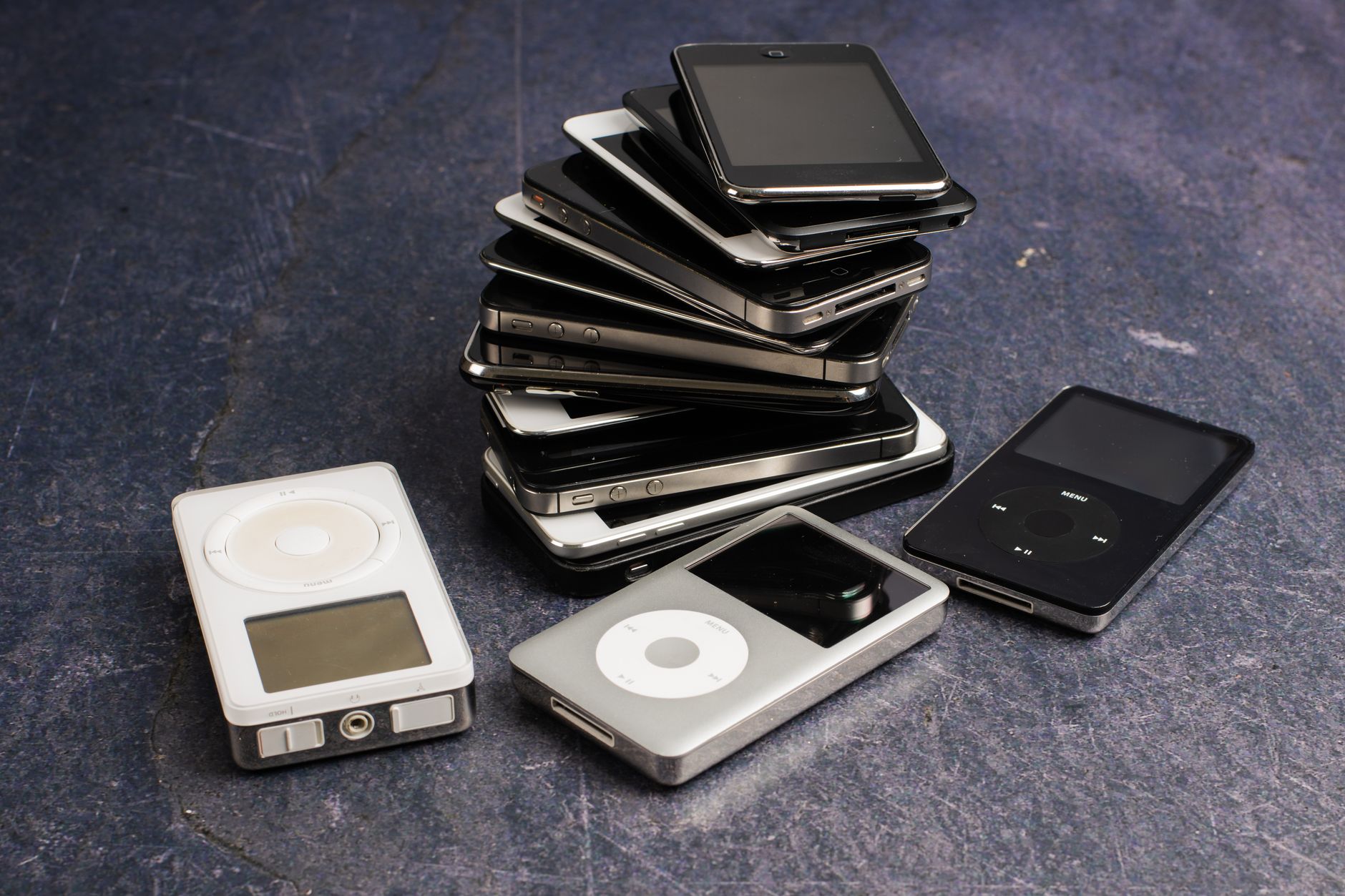
When the first iPhone landed in 2007, it wasn’t just a nicer phone. It folded a computer, a camera, and a music player into one thing you kept in your pocket. Before that, getting online meant sitting down at a laptop or a desktop, which sounds absurd now. The jump from early-2000s flip phones to a touchscreen with real internet access is roughly as dramatic as going from dial-up to fiber, and I think that comparison actually undersells it. Mobile internet usage shot up fast, apps multiplied, and suddenly you could video-call someone from a parking lot. That convenience became the baseline almost overnight.
Social Media Takes Over
Facebook launched in 2004, and while Friendster and MySpace had already warmed the ground, Facebook scaled the whole idea into something genuinely universal. Your grandparents were on it. Recruiters were on it. It moved us from writing emails to broadcasting life updates to hundreds of loosely connected “friends,” which felt exciting at first and then got complicated. The privacy questions that surfaced back then are still unresolved, honestly, and I’m not sure the 2000s version of us fully appreciated what we were trading away for the convenience.
YouTube and Online Video
YouTube launched in 2005 and handed a broadcast channel to anyone with a camera. Before that, if you wanted to distribute video, you needed a TV deal or a film crew. Suddenly a teenager in their bedroom could build an audience. That shift produced a whole new category of creator, the kind who talks directly to viewers rather than performing for a studio. Comparing that to what TV viewership looked like before 2005, the appetite for on-demand, pick-your-own-topic content was clearly there waiting. YouTube just gave it a place to go.
Broadband Changes Everything
Broadband access climbed to around 63% of U.S. households by 2008, and that number mattered more than most people realized at the time. Streaming became practical. Pages loaded in seconds instead of minutes. Businesses moved online more seriously, schools started experimenting with e-learning, and people discovered they could stay socially connected without being in the same room. Technology in the 2000s often gets credited for the apps and devices, but the pipe carrying all of it deserves at least equal credit.
Cloud Computing Arrives
By 2006, cloud computing was starting to feel real. Before that, your files lived on a hard drive, and if that drive failed (and they did fail), you lost your work. Services like Dropbox and Google Drive changed the workflow for a lot of teams, including a client of ours who’d been emailing massive attachments back and forth and nearly lost a project to a corrupted USB stick. Storing things remotely sounds obvious now, but at the time it required a genuine shift in how people thought about their data. The collaboration piece alone was worth it.
Gaming Goes Mainstream
Video game sales hit $23.5 billion in 2008, and that figure surprised a lot of people who still thought of gaming as a teenager’s hobby. The Xbox 360 and PlayStation 3 pushed the consoles into living rooms where they hadn’t really been before, and online multiplayer made gaming a social activity rather than a solo one. People were coordinating with strangers across continents, building communities around specific games. That social layer is what separated this era from the earlier 2000s, when online play was possible but clunky and far less reliable.
What the 2000s Left Behind
Looking back at technology in the 2000s, what stands out is how quickly things compounded. Smartphones needed broadband to be useful. Social media needed smartphones to go everywhere. YouTube needed both. None of these things worked in isolation, and the decade kept adding pieces until the whole system started feeding itself. We take most of it for granted now, which is probably the clearest sign of how deeply it stuck.
FAQs
What technology emerged in the 2000s?
Smartphones, Facebook, YouTube, broadband internet, and cloud storage all took shape in this decade, collectively changing how people communicate and consume media.
How did the internet change in the 2000s?
Broadband replaced dial-up for most households by 2008, making streaming, real-time updates, and online services genuinely practical for the first time.
What were popular gadgets in the 2000s?
The iPhone, iPod, Xbox 360, PlayStation 3, and increasingly portable laptops were the defining devices of the decade.