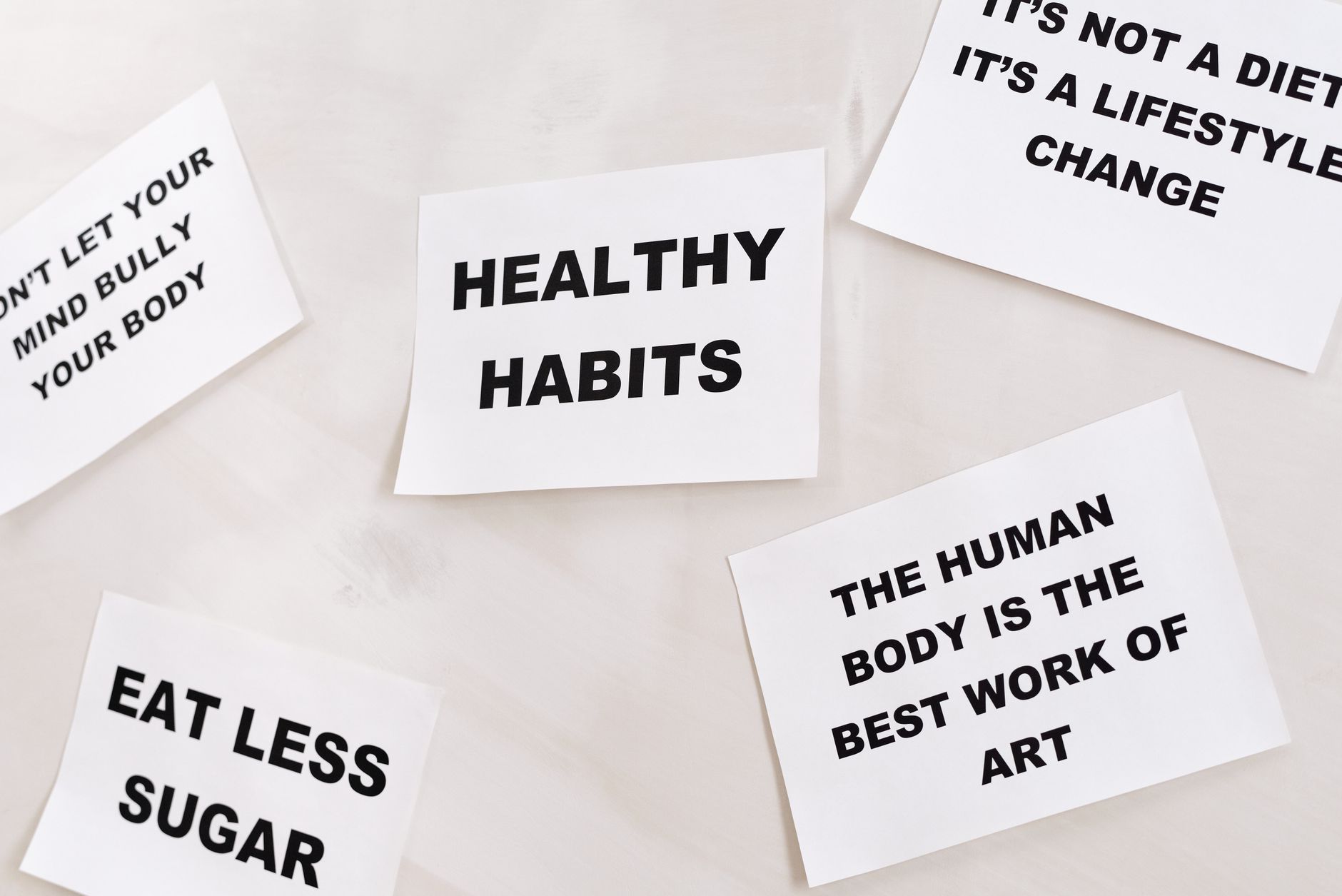
Most people rush into a lifestyle change, thinking willpower alone will see them through. But from what I’ve seen, around 80% of New Year’s resolutions fizzle out by February. That’s a staggering number, often due to how we sequence our habits, not from a lack of determination.
The way we layer new habits is crucial. It’s about establishing a framework that supports your goals over time. When I learned how habits work and how to implement them step by step, I set myself up for real success. Let’s jump into how you can strategically plan your lifestyle change.
Why Plans Often Fail Early
A major reason why lifestyle changes fail is the habit loop, which Charles Duhigg details in his book, “The Power of Habit.” The loop has three parts: cue, routine, and reward. Many people dive into new routines without proper cues and rewards, which leads to burnout.
For instance, when I decided to start working out, I realized I needed to anchor my habit to a specific time (the cue) and find a way to reward myself after. Without these, sticking to it became harder.
There’s also the mental side of forming habits. A 2010 study by Phillippa Lally from UCL found that it usually takes about 66 days to form a new habit. People often underestimate how long it takes to integrate new behaviors, which can lead to frustration if immediate results don’t show up.
Identity is another big factor in keeping a lifestyle change going. In “Atomic Habits,” James Clear explains that habits are more effective when they fit with your self-image. If you view yourself as an athlete or a health-conscious person, sticking with those habits becomes much easier because they validate that identity.
Sequencing Your New Habits
To boost your chances of maintaining a lifestyle change, a solid plan for sequencing your habits is essential. Start small, with manageable changes, then gradually add more. BJ Fogg’s Tiny Habits method is super helpful here. Fogg suggests making changes so small you’ll feel silly saying no to them.
Instead of aiming for a 30-minute workout right away, begin by just putting on your workout shoes. That small step sets the stage for more significant changes later on. When you incorporate tiny habits into your life, every success builds up your confidence and creates momentum.
Another good strategy is to prioritize sleep. Better sleep often translates to healthier food choices and more energy for physical activities. In fact, focusing on improving your sleep can lay a solid groundwork for other changes.
If you’re thinking about starting an exercise routine, consider the costs. The average gym membership can run about $1,200 a year, while simple activities like walking or jogging are totally free. Start by walking for just 10 minutes a day and increase the time gradually as it becomes a habit.
Keeping Track Without Losing Steam
Tracking your progress can be motivating, but it’s essential to do it in a way that doesn’t lead to discouragement. Set clear, measurable goals aligned with your aspirations. For instance, instead of saying, “I want to lose weight,” try, “I want to be someone who enjoys hiking.”
You might want to keep a journal or use an app to track your habits. This gives you solid proof of your progress. Evaluate what works and what doesn’t, celebrating small wins to keep up your motivation, even if progress feels a bit slow.
Lastly, be flexible. Life can throw curveballs, and sometimes your habits may slip. Instead of being tough on yourself, look at your habits from a new perspective. Adjust them as needed without throwing the entire lifestyle change out the window.
Basically, successful lifestyle change comes down to understanding how to establish small habits correctly and supporting them with the right mindset.
FAQs
How long does a lifestyle change take to stick?
On average, it takes about 66 days to form a new habit. Consistency and patience are key as you work these changes into your life.
What is the easiest lifestyle change to start with?
Starting with tiny habits is often easiest—like drinking a glass of water each morning or taking a short walk. Small changes help build momentum and confidence for larger transformations.
Can small habits really lead to big lifestyle changes?
Absolutely! Tiny habits act as building blocks for bigger changes. By consistently stacking small habits, you lay a sustainable foundation for lasting lifestyle improvement.