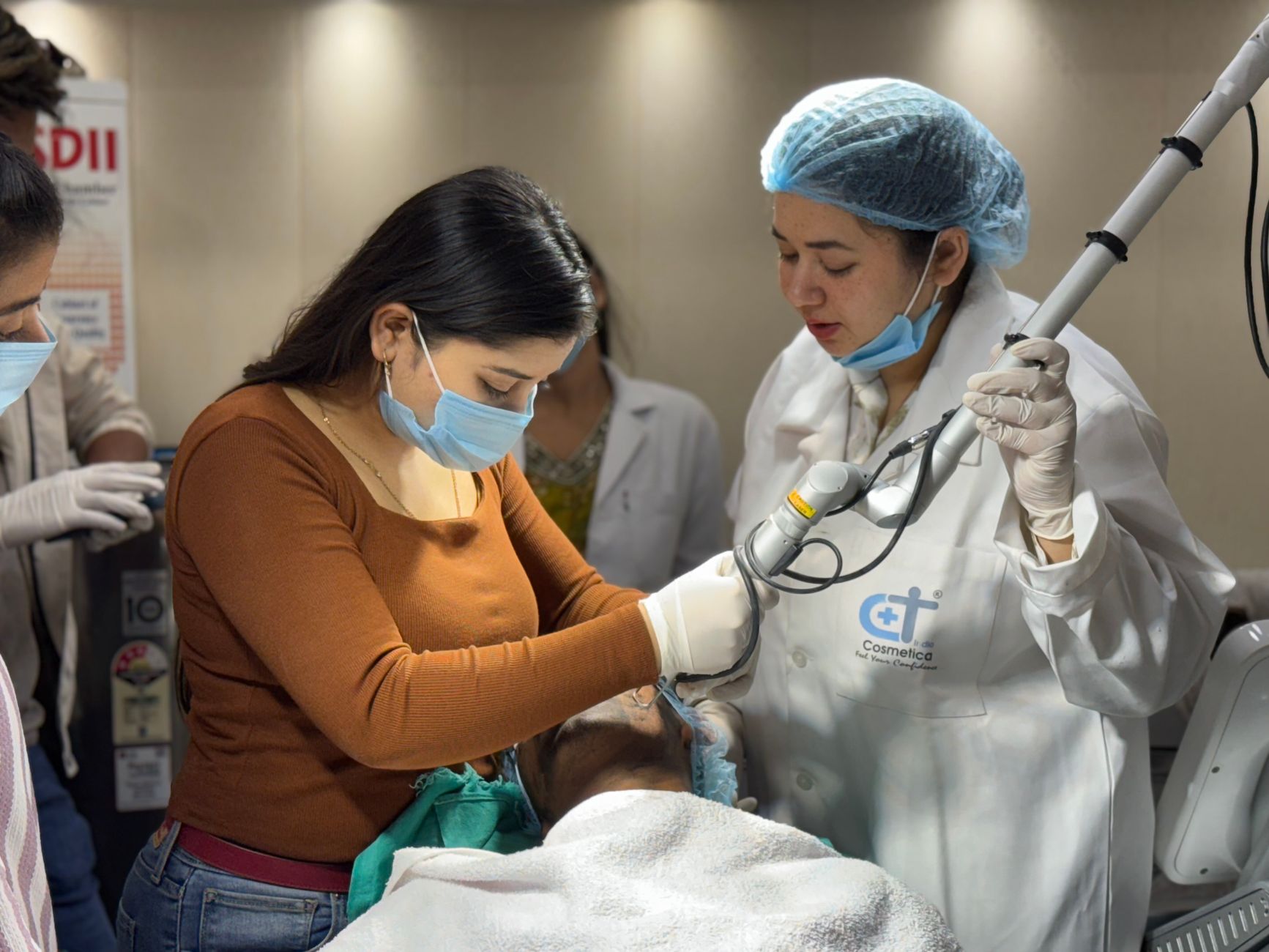
A common misconception about a health academy is that you need to be physically present to gain any real benefit. Most folks still envision a classroom, complete with an ID badge and parking hassles. But the shift to virtual programs has been quicker and more extensive than nearly any other area in professional education, and the outcomes are quite impressive.
What’s changed isn’t just about convenience. The standard of online teaching has improved significantly, and in some areas, it even exceeds what you’d get in-person. You can pause recorded demos, participate in peer forums any time, and revisit skills labs before an exam — options that simply weren’t available ten years ago. These features have now become quite standard.
So, if you’ve hesitated to pursue further training because you thought it meant you’d have to disrupt your entire schedule, it’s time to reconsider.
Enrollment Growth Trends
The statistics from 2023 were hard to overlook. Enrollment in virtual health academy programs surged around 40% compared to the previous year. This increase was largely fueled by working nurses, medical assistants, and allied health staff who couldn’t take time off for in-person classes. This isn’t just a fleeting trend—it’s been consistent into 2024 based on the platforms I monitor.
Around 85% of health professionals prefer online training to traditional settings. They like the flexibility and the ability to study during shifts or days off. Another surprising reason is the ease of retaining self-paced learning. I found this interesting, but it lines up with what my clients tell me in continuing education programs.
Popular Course Offerings
The five courses that keep topping enrollment charts across the major virtual health academy platforms are:
- Basic Life Support (BLS) recertification
- Medical coding and billing fundamentals
- Mental health first aid
- Nutrition and chronic disease management
- Healthcare compliance and HIPAA essentials
BLS recertification is a favorite since most employers require it yearly, and the hybrid format (video skills check alongside a written exam) is accepted by numerous hospital systems. Mental health first aid has also seen significant growth, likely due to the rising demand from employers. Nutrition courses attract personal trainers who are moving into clinical support roles.
Cost Comparison
The average course at a reliable virtual health academy costs about $200. Some short certificate programs can be as low as $80, while more extensive ones with proctored exams and clinical components can range from $600 and up. In contrast, community college continuing ed classes often run between $400 and $900 after considering textbooks and commuting expenses.
The savings are genuine, but I’ll be honest—the cheapest online options aren’t always worth it. A $49 “certificate” from an unheard-of platform likely won’t bolster your resume. Stick to programs accredited by reputable organizations like the American Heart Association, NAHC, or AAPC, depending on your area. Those credentials really make a difference.
Benefits of Online Health Education
Online learning aligns better with the actual schedules of healthcare workers than traditional classes. A nurse juggling three twelve-hour shifts can’t reliably set aside Tuesday afternoons for weeks on end. Online modules solve that issue significantly. Plus, since many platforms allow you to download content for offline access, bad Wi-Fi during rural placements isn’t a problem.
There’s also a retention angle. Short video clips with quizzes outperform two-hour lectures when it comes to recall tests, based on studies I’ve encountered (mostly). Spaced repetition tools in platforms like Coursera Health or edX ensure you’re reviewing material at times that truly benefit your memory.
Valuable Certifications
Not every certification holds the same weight with employers. The ones that reliably open doors after completing a virtual health academy program include Certified Medical Assistant (CMA), Certified Health Education Specialist (CHES), Certified Clinical Medical Coder (CCMC), and Pharmacy Technician Certification (PTCB). For mental health courses, the Mental Health First Aid certificate from MHFA USA is widely recognized, although it’s not considered a clinical credential.
It’s wise to check your state’s licensing board before enrolling. Some states might not accept fully online clinical hours. That could be a catch with virtual programs, so it’s better to confirm early rather than after you’ve committed financially.
Future of Virtual Learning
A fully online health academy isn’t just a workaround anymore; it’s becoming the norm. Simulation technology is closing the remaining gaps—tools like haptic feedback and VR clinical settings are already in use at some programs. With costs decreasing, broader adoption seems likely in the next three to five years. Another trend is micro-credentialing, which involves shorter, stackable certificates verifiable digitally, eliminating delays with transcript requests.
If you’re considering a program, choose one that offers a digital badge or blockchain-verified credential. Hiring managers at larger health systems increasingly expect this format, which makes verification quick and efficient.
FAQs
What is a health academy?
A health academy is a structured training program for health professionals focusing on clinical skills, certifications, and continuing education, increasingly available online.
How do I enroll in a health academy?
Most virtual programs allow direct applications on their website, often requiring proof of a current healthcare role or relevant previous credentials.
What careers can a health academy prepare me for?
Typical career paths include medical coding, health education, pharmacy tech, clinical medical assisting, and community health work based on completed certifications.



1 Comments