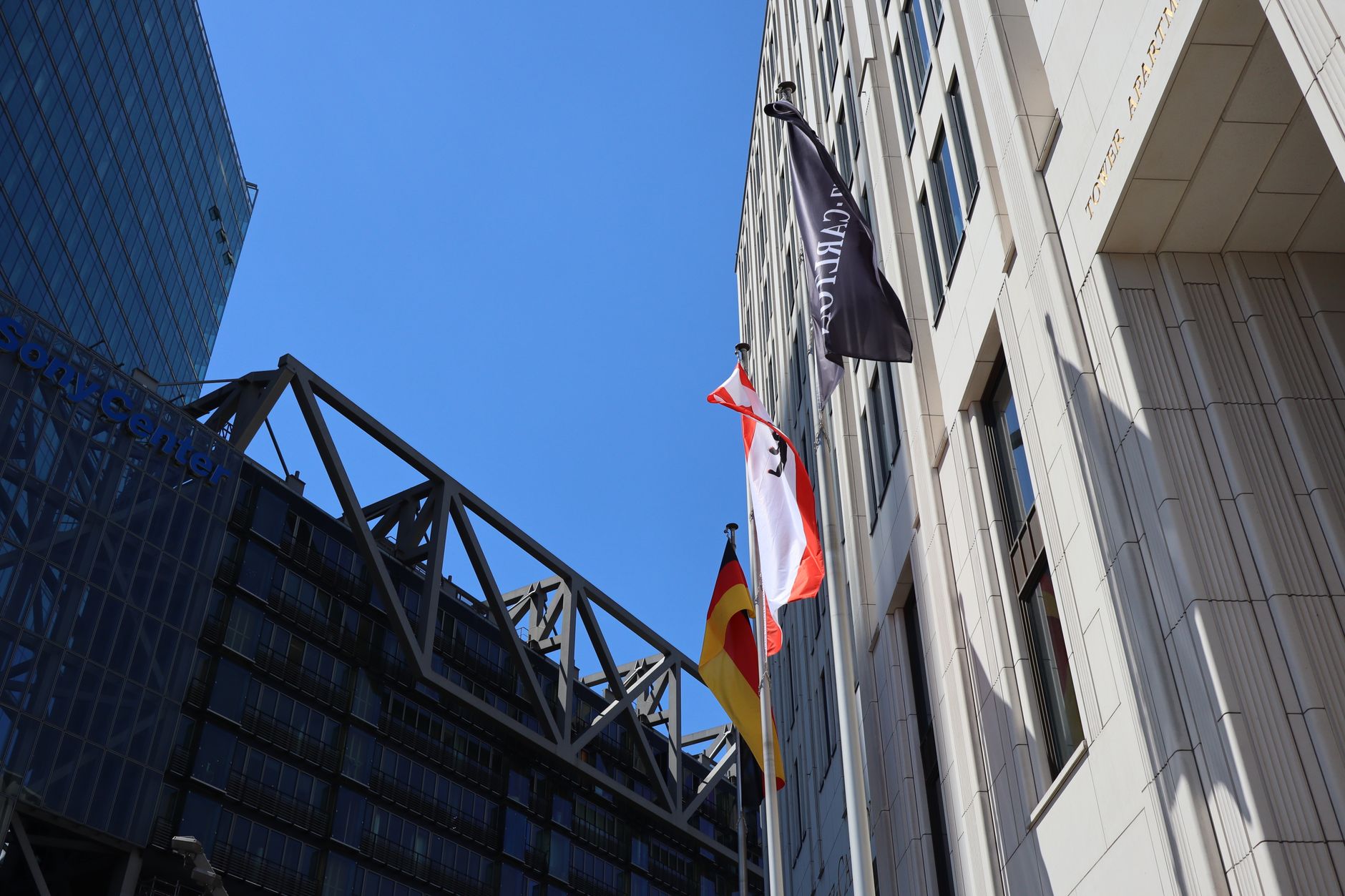
Business flags are one of those things that many business owners overlook until they notice a competitor’s storefront looking sharp. From my experience, just one feather flag near the curb can outperform a week’s worth of Facebook ads in grabbing attention. It’s not glamorous, but it’s true.
Surprisingly, only about a quarter of businesses actually use outdoor flags in their regular signage. That’s pretty low, especially considering how effective and affordable they can be. Those who aren’t using them might be leaving some easy wins on the table.
Why Business Flags Matter
Flags catch attention because they move. Static signs blend into the background, while a flag dancing in the wind draws the eye quickly. Research consistently shows that motion-based displays beat flat signs in grabbing initial attention. Flags offer the cheapest version of that idea.
Plus, they’re tall. A 15-foot feather flag can be seen from a block away. In contrast, a window decal isn’t going to cut it. For businesses located on busy roads or in strip malls, that vertical visibility can make a huge difference. You might not realize it until you give it a shot.
Main Types of Business Flags
There are three main flag types worth knowing. Choosing the wrong kind can waste your money.
- Feather flags — tall and curved, perfect for sidewalks and busy streets
- Teardrop flags — wider base, holds shape better in the wind, ideal for events
- Rectangle flags — traditional rectangular shape, good for storefronts and car dealerships
Feather flags tend to be the most popular for retail because they’re easy to set up and store. Although teardrop flags cost a bit more, they stay upright in calm winds, which can be a real hassle with the lower-cost feather options.
Cost and Material Overview
You’ll want to budget around $200 per flag, which includes the hardware (like the ground spike and carry bag). Sure, you can find basic options for $60, but you’ll notice that the print quality usually fades in less than a season. Spending between $150 and $250 gets you a flag that should last two to three years with proper care.
Here are the five materials you’ll typically come across:
- Polyester — the most common option, good colors, fades after about 18 months outside
- Nylon — lighter, flies well even in low wind, slightly higher cost
- Knit polyester — has a soft feel, great for indoor use
- Mesh — allows wind to pass through, perfect for coastal or windy spots
- Canvas — heavy and durable, mostly for decorative uses or upscale businesses
For outdoor flags used year-round, I’d stick with either polyester or mesh, depending on your climate. While canvas has a premium look, it’s overkill for many small businesses, plus, it can weigh down the hardware.
Key Design Considerations
There are four crucial elements that differentiate a flag that works from one that just flaps around aimlessly. Get these right before you hit print.
Firstly, contrast is key. Light text on a light background disappears at a distance. Dark text on light or bold color on white will stand out well. Secondly, you need a sizable logo. Your logo should occupy at least 40% of the flag’s area, or it risks getting lost. Third, keep the message short. Aim for three words max; phrases like “Grand Opening” or “Open Now” are effective. A full sentence won’t work. Lastly, limit your colors to two or three brand colors; go beyond that, and the flag can start to look messy while it’s moving.
Traffic Boost from Flags
Retailers who incorporate outdoor signage like business flags often see about a 10% boost in walk-in traffic within the first month. That’s a figure I’ve seen highlighted in small business research, and it matches what clients tell me too. A bakery owner I know added two feather flags to her storefront and reported noticeably busier foot traffic in just two weeks.
The impact is strongest for businesses that depend on impulse visits, like coffee shops and salons. If your customers generally plan their visits, flags might not sway them as much. But if visibility is key, flags can outperform almost any other $200 marketing tactic.
There are seven standard flag sizes for various uses: 2×3 ft, 3×5 ft, 4×6 ft, 5×8 ft, 6×10 ft, 8×12 ft, and 12×18 ft. For sidewalk placement, sizes like 3×5 or 4×6 on a 10-foot pole tend to hit the sweet spot. Anything taller needs a sturdier base to prevent tipping in moderate wind.
Practical Tips for Business Flags
Business flags stand out as one of the few marketing tools with an almost immediate payoff, all while being set up in under an hour. That average $200 cost is a one-time investment that keeps bringing value for two to three years. Compare this to a boosted post on social media that vanishes within two days. Honestly, if you operate a street-facing business and aren’t using at least one outdoor flag, I’d say it’s your next best purchase.
The one caution I have is against cheap hardware. Typically, the flag itself doesn’t fail first; it’s often the plastic base or flimsy pole joints that snap in strong winds. Spending an extra $20 on a decent kit can prevent costly replacements.
FAQs
What are the benefits of business flags?
They boost walk-in foot traffic by about 10% at a low cost. Their motion and height often grab attention better than static window signs.
How much do business flags cost?
Count on spending around $200, including hardware. Basic options start at about $60, but quality and durability significantly improve with spending above $150.
What materials are used for business flags?
The main materials are polyester, nylon, knit polyester, mesh, and canvas. Polyester and mesh are typically best for outdoor, year-round use.


1 Comments